Stress: Bringing it under control
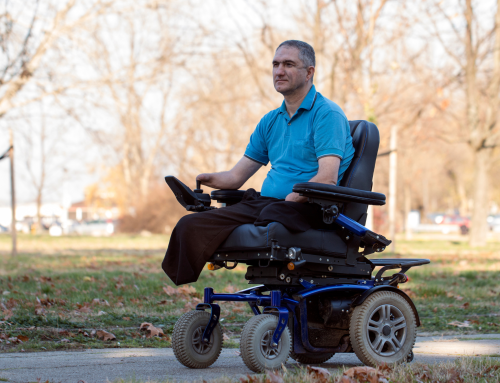
Stress exerts measurable effects on cardiovascular, endocrine, and renal systems, making its management especially relevant in Psychonephrology. Persistent activation of the sympathetic stress response contributes to elevated catecholamines, disrupted sleep–wake cycles, alterations in glucose metabolism, and increased allostatic load. For patients already navigating chronic kidney disease or other long-term medical conditions, stress can amplify fatigue, impair concentration, and worsen inflammatory and autonomic dysregulation. Practical regulation strategies offer an accessible way to stabilize physiology and maintain psychological equilibrium.
One useful intervention involves brief, instinctive movements. Gentle shaking of the limbs, stretching the spine, or lightly bouncing on the feet helps interrupt neuromuscular tension. These movements stimulate proprioceptive pathways and can down-shift heightened sympathetic arousal. They need not be vigorous; even subtle motion can signal to the nervous system that the acute phase of distress is passing.
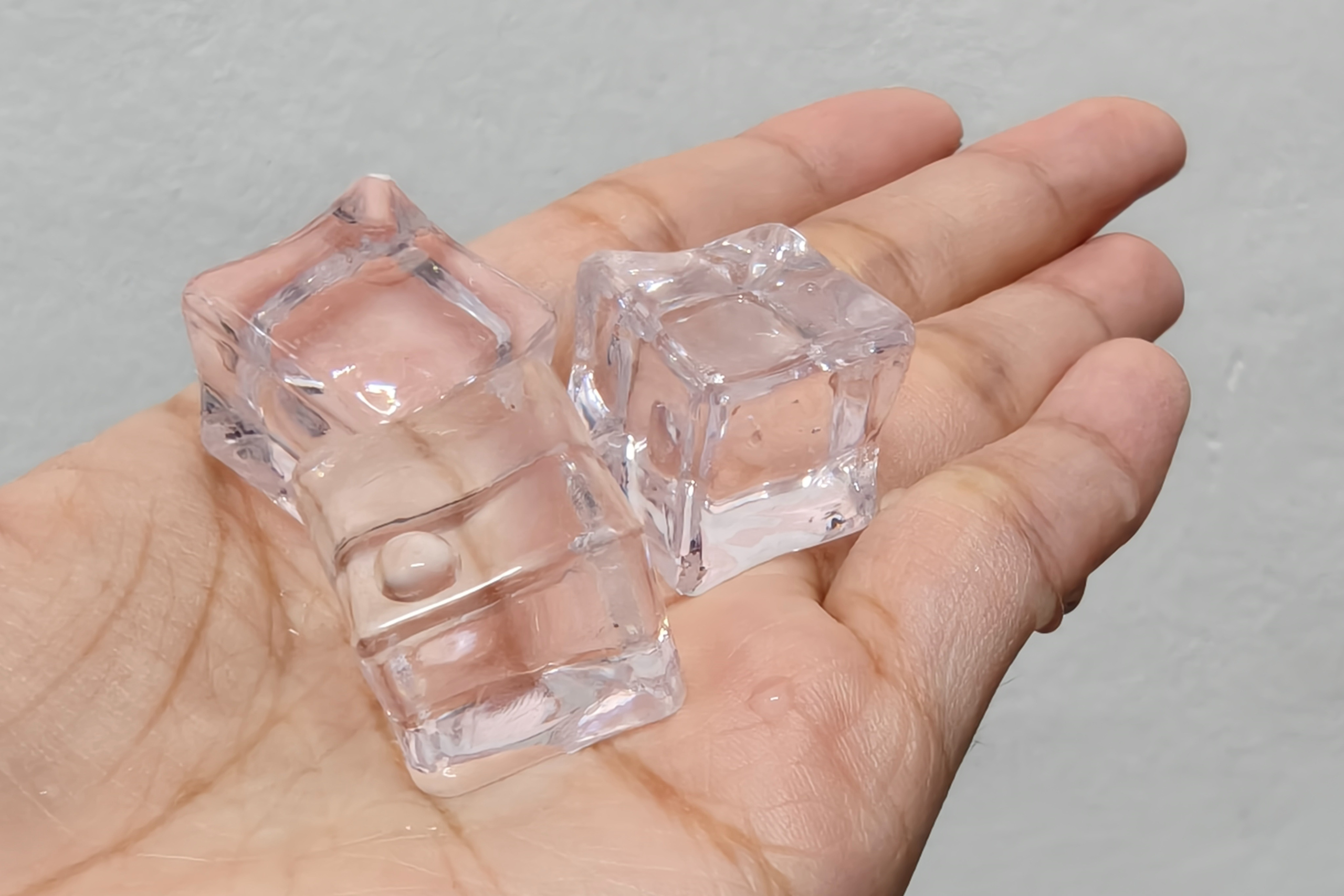
Exposure to cold provides another rapid-acting regulatory cue. A cool compress, an ice cube held in the palm, or a short burst of cold water across the face can activate the dive reflex, promoting bradycardia and parasympathetic engagement. This can be beneficial during episodes of acute anxiety or cognitive overload, temporarily redirecting attention and restoring autonomic balance.
Naming internal experiences is a cognitive strategy with strong therapeutic value. Identifying a thought or emotion — for example, noting “I’m experiencing pressure” — recruits prefrontal networks involved in reflection and inhibitory control. This creates a slight buffer between stimulus and response, decreasing the intensity of limbic reactivity and enabling more deliberate decision-making.
Breathwork remains a cornerstone of autonomic regulation. Slowing the respiratory rate and extending the exhalation promotes vagal activation and reduces physiological arousal. This shift can be measured in reduced heart rate variability suppression and increased subjective calm. Consistent practice improves resilience and enhances an individual’s ability to modulate stress in real time.
Creative engagement, whether through drawing, singing, writing, or other forms of expression, can facilitate emotional processing. These activities activate cortical areas associated with integration and narrative, helping to modulate amygdala-driven responses. Importantly, the therapeutic value lies not in performance but in spontaneous expression and the opportunity it provides for cognitive and affective flexibility.
Minimizing digital overstimulation is also clinically relevant. Continuous exposure to bright screens, rapid information flow, and frequent notifications can elevate baseline arousal and impair sleep architecture. Establishing device-free periods, especially in the evening, reduces cortical activation and supports circadian stability—both essential for renal and cardiovascular health.
Auditory regulation is another low-threshold tool. Music with a predictable rhythm or calming tone can help regulate autonomic output by engaging auditory-limbic circuits. The effect is often subtle but clinically meaningful, particularly in patients who respond strongly to sensory cues.
Structured externalization of concerns through list-making or brief journaling can reduce cognitive load. Many patients carry complex emotional and logistical burdens internally. Writing these down decreases working-memory strain and promotes a sense of organization and agency. This, in turn, reduces rumination and supports executive functioning.
Laughter, even when intentionally sought, has physiological benefits. It modulates respiratory patterns, reduces muscular tension, and promotes transient increases in endorphins. These effects collectively help complete the stress cycle and re-establish homeostatic balance.
Grounding techniques that direct attention to present sensory input help counteract anticipatory anxiety and intrusive rumination. Patients may be encouraged to attend to temperature, tactile sensations, or visual details in their immediate environment. This supports reconnection with the body and reduces dissociative or hyperaroused states.
Boundary setting is a more behavioral but equally important strategy. During periods of heightened demand, identifying commitments that are necessary versus optional conserves emotional and physical resources. For individuals with chronic medical conditions, maintaining boundaries around energy expenditure is an essential component of long-term stability.
Social connection serves as a potent regulator of stress physiology. Interpersonal contact can influence oxytocin pathways, modulate hypothalamic-pituitary-adrenal (HPA) axis activity, and provide psychological buffering. Even brief, empathic interactions can shift internal states meaningfully. When stress becomes persistent or impairing, referral for psychological or psychiatric support can provide structured intervention, symptom monitoring, and therapeutic continuity.
These strategies — physiological, cognitive, behavioral, and interpersonal — are accessible entry points for stress modulation. They can be incorporated into daily routines, tailored to individual medical profiles, and used alongside formal treatment. While stress cannot be eliminated, its impact can be significantly mitigated through consistent, evidence-informed self-regulation practices. For patients with chronic illness, cultivating these habits may support improved quality of life, better adherence to medical care, and enhanced overall resilience.
References
-
McEwen BS. Protective and damaging effects of stress mediators. N Engl J Med. 1998.
-
Porges SW. The polyvagal theory: Phylogenetic substrates of a social nervous system. Int J Psychophysiol. 2001.
-
Thayer JF, Lane RD. Claude Bernard and the heart–brain connection. Biol Psychol. 2009.
-
Chrousos GP. Stress and disorders of the stress system. Nat Rev Endocrinol. 2009.
About the Author
Dr Gavril Hercz

Dr. Gavril Hercz is a nephrologist at Humber River Health and Associate Professor of Medicine, University of Toronto. He completed his psychoanalytic training at the Toronto Psychoanalytic Institute and is a member of the Canadian Psychoanalytic Society. His major area of interest is the impact of physical illness on patients, families, and caregivers.
Stress exerts measurable effects on cardiovascular, endocrine, and renal systems, making its management especially relevant in Psychonephrology. Persistent activation of the sympathetic stress response contributes to elevated catecholamines, disrupted sleep–wake [...]