Recognizing human encounters
Most of us move through our days without fully appreciating the traces we leave behind. A brief conversation in a waiting room, a reassuring smile during a clinic visit, a hurried response to a question, or a moment of patience or impatience may seem insignificant. These interactions often disappear from our awareness almost as soon as they occur. Yet each may continue to echo in ways we may not recognize. For people living with illness, healthcare is rarely just a series of medical procedures and appointments. It is also a succession of human encounters in which patients, families, clinicians, and support staff influence one another in subtle but meaningful ways.
Modern healthcare understandably focuses on measurable outcomes: laboratory results, imaging findings, treatment responses, and survival. These indicators are essential, yet another dimension of care is more difficult to measure. A patient arriving for an appointment may carry anxiety about a diagnosis, uncertainty about the future, or exhaustion from months of treatment. A clinician’s attentive listening might ease that burden. A thoughtful explanation may reduce fear, while a warm greeting may restore dignity. Conversely, a rushed encounter may reinforce feelings of loneliness or discouragement. None of these effects appears in a laboratory report, yet they shape how people experience illness and remember their care.
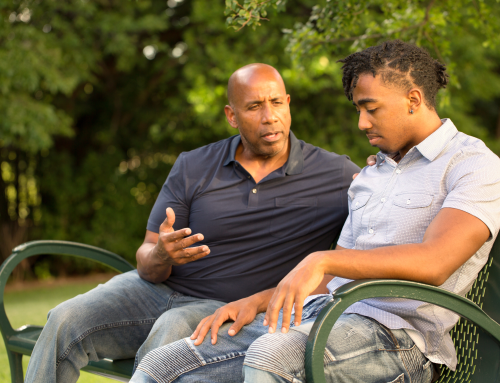
Human beings are profoundly influenced by social interactions. Small acts of kindness can improve emotional wellbeing, while experiences of dismissal or disconnection can intensify distress. Even brief encounters contribute to our sense of safety, trust, and belonging. When people are healthy, many daily interactions pass unnoticed. Illness often changes this. Vulnerability heightens awareness of how others respond to us. A person receiving treatment may become particularly attentive to tone of voice, facial expressions, and gestures of concern. Family members navigating uncertainty may be especially sensitive to compassion or indifference. Under these circumstances, ordinary moments acquire extraordinary significance.
Patients often remember the physician who sat down rather than standing at the doorway, the nurse who answered a question, or the staff member who acknowledged their fears. Years later, they may struggle to recall specific test results or medication changes yet vividly remember how they were treated. The emotional memory of an encounter frequently outlasts its factual details. Such experiences become incorporated into a person’s understanding of illness, influencing expectations of care, trust in others, and the capacity to tolerate uncertainty.
The influence, however, does not flow in only one direction. Healthcare professionals are also shaped by those they care for. Many clinicians recall patients whose resilience changed their perspective, whose humour lightened difficult days, or whose courage deepened their understanding of suffering. Family members leave lasting impressions through their devotion, advocacy, and endurance. Over time, these experiences accumulate, becoming part of a clinician’s professional identity. A career in healthcare is shaped not only by scientific knowledge and technical skill but also by thousands of human encounters. Recognizing this mutual influence allows us to understand healthcare not simply as a transaction, but as a multitude of relationships in which both participants are affected.
Family caregivers occupy an important position within this network of relationships. They provide practical assistance, emotional support, advocacy, and continuity of care, often while managing their own fears and uncertainties. A spouse who attends appointments, an adult child who organizes medications, or a friend who provides transportation may profoundly influence a patient’s wellbeing. Yet caregivers themselves are affected by encounters with healthcare professionals. A thoughtful explanation may reduce anxiety, while acknowledgment may help them feel recognized in a demanding and frequently invisible role. Caregiving is sustained not only by information and resources but also by the experience of being understood and supported.
Developing awareness of these interpersonal influences does not require extraordinary effort. It may begin with reflecting on the people who crossed our paths during the day, considering how our interactions affected them, and recognizing the impressions they left on us. Such reflection is not an invitation to self-criticism. No one can anticipate or control every consequence of an encounter. Rather, it encourages an appreciation of how our words, gestures, and emotional availability affect others. Awareness may lead us to listen more carefully, speak more thoughtfully, or offer greater patience when circumstances become difficult.
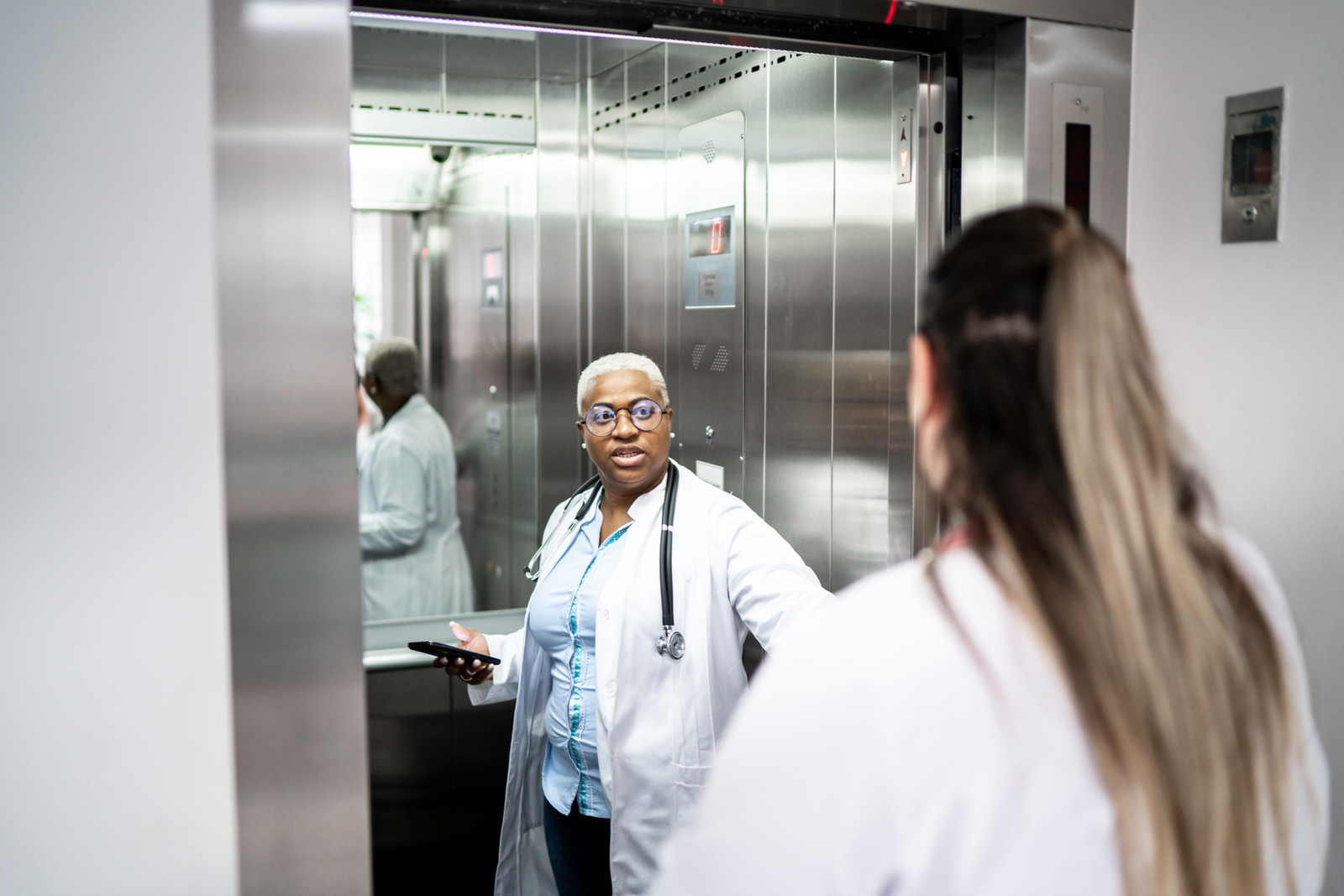
Hospitals and clinics are places where uncertainty, fear, hope, resilience, and vulnerability coexist. Within these environments, countless interpersonal exchanges occur every day. Most will never be documented, and many will eventually be forgotten. Yet their emotional significance may persist. A patient who feels understood may approach treatment with renewed confidence. A family member who encounters compassion may find strength to continue caring. A clinician who experiences genuine human connection may rediscover meaning in demanding work. These encounters often go unrecognized on the conscious level.
Perhaps the most important lesson is that none of us moves through these environments without affecting others. We continually shape one another’s experiences, often in ways we cannot recognize or measure. The marks we leave behind may be invisible, but they are not insignificant. In healthcare, healing is not found only in treatments and technologies. It is also present in ordinary encounters through which people experience dignity, understanding, and our shared humanity.
About the Author
Dr Gavril Hercz

Dr. Gavril Hercz is a nephrologist at Humber River Health and Associate Professor of Medicine, University of Toronto. He completed his psychoanalytic training at the Toronto Psychoanalytic Institute and is a member of the Canadian Psychoanalytic Society. His major area of interest is the impact of physical illness on patients, families, and caregivers.
Human beings are profoundly influenced by social interactions. Small acts of kindness can improve emotional wellbeing, while experiences of dismissal or disconnection can intensify distress.