Illness and its expression through art
Illness rarely remains confined to the body. It extends into thought, emotion, identity, and the subtle ways individuals experience themselves and their place in the world. In nephrology, this becomes particularly evident when a patient begins dialysis. While physical symptoms may stabilize relatively quickly, psychological adaptation often unfolds more gradually. Relief and distress frequently coexist; treatment sustains life, yet simultaneously alters its rhythm, predictability, and meaning.
For many patients, the initiation of dialysis marks a profound turning point. It can evoke feelings of dependence, uncertainty, and loss of control. Even when patients understand the necessity and benefits of treatment, an internal tension often persists. This tension is not always easily verbalized. In clinical encounters, patients may struggle to articulate the depth or complexity of what they are experiencing. At times, distress emerges indirectly—through withdrawal, irritability, or a new physical sensation.
This gap between experience and expression is where creative modalities, particularly art therapy, can offer a meaningful bridge. Art therapy integrates psychological understanding with a creative process, providing a non-verbal avenue for emotional exploration. It does not require artistic skill or prior experience. Rather, it invites individuals to use form, color, texture, and composition as vehicles for expression and hopefully the emergence of a personal narrative of the illness experience.
Central to this process is the presence of the art therapist. Their role is not to teach technique or to assign fixed meanings to images, but to create a psychological space in which expression feels possible. During a session the therapist’s presence introduces something different—an attuned, steady form of accompaniment. They observe carefully, offer guidance when needed, and just as importantly, allow silence to exist without pressure.
This presence can be quietly transformative. The therapist holds the space so that the patient is not left alone with what emerges. When difficult or unexpected images take shape, there is someone there to witness without judgment. This act of witnessing is not passive. It validates the experience without forcing it into language or prematurely resolving it. In this sense, the therapist functions less as an interpreter and more as a container for the patient’s emotional turbulence.
The significance of this becomes clearer when we consider the nature of emotional experience itself. Not all feelings are readily accessible to language. Some remain diffuse, unstructured, or only partially conscious. Attempts to describe them may feel inadequate or even frustrating. Visual expression allows multiple layers of meaning to coexist without the need for immediate clarification. A single image can convey conflict, ambiguity, and intensity in ways that words cannot easily capture.
For patients undergoing dialysis, this can be particularly meaningful. The experience often involves contradictory emotional states: gratitude for life-sustaining treatment alongside frustration at its constraints; hope interwoven with fear; resilience tempered by fatigue. Art provides a space where these contradictions can be held rather than resolved. There is no requirement for coherence or explanation—only for expression.
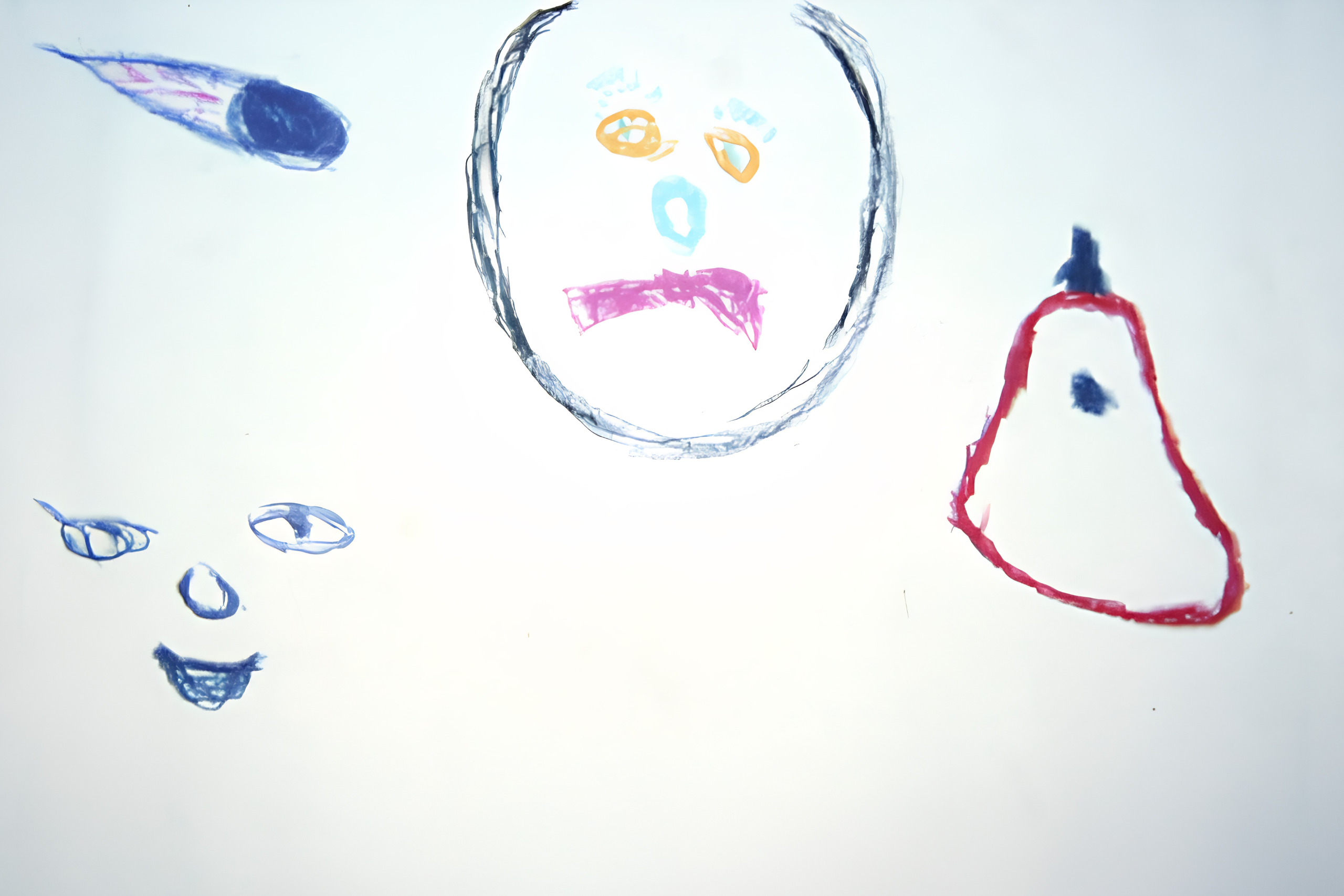
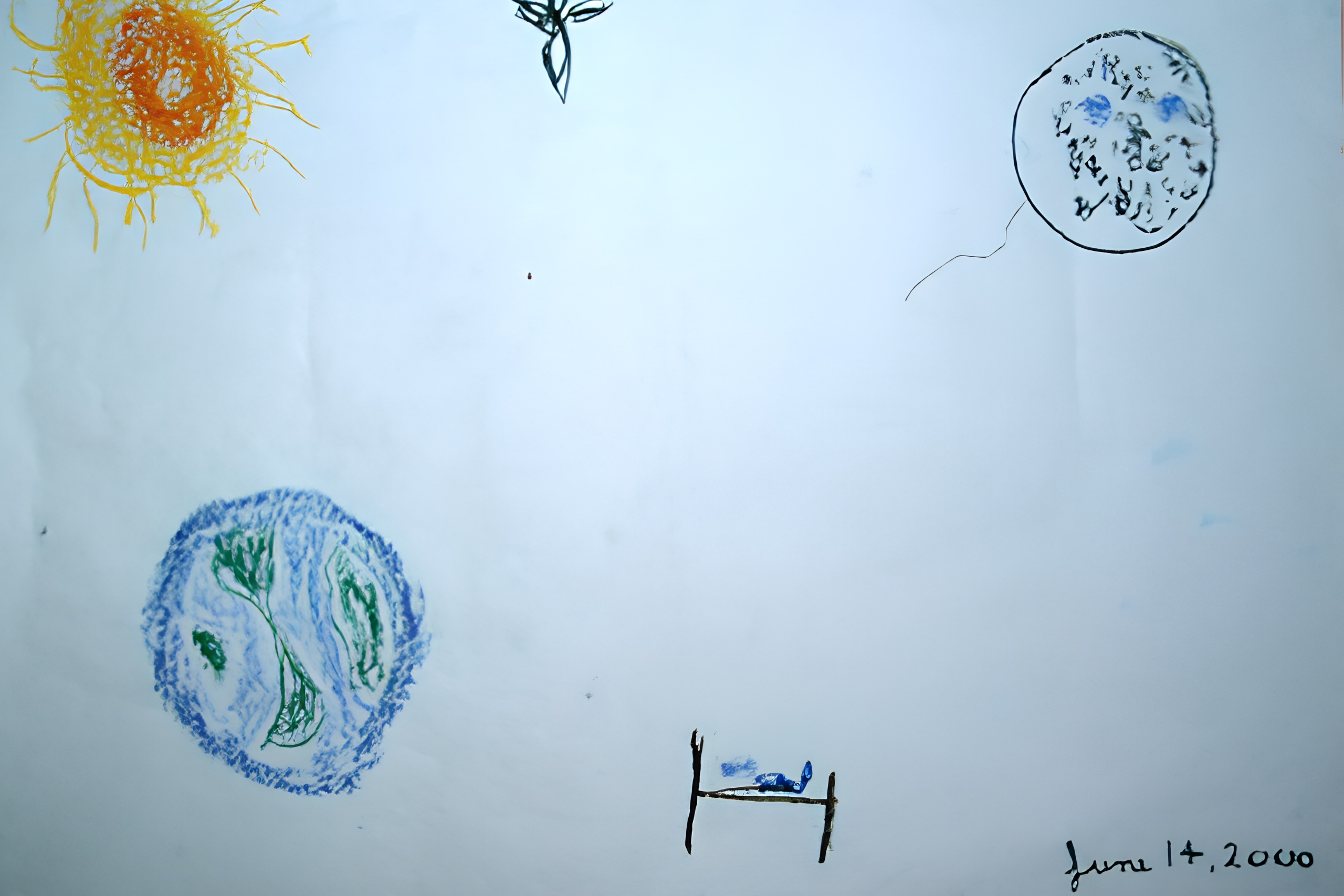
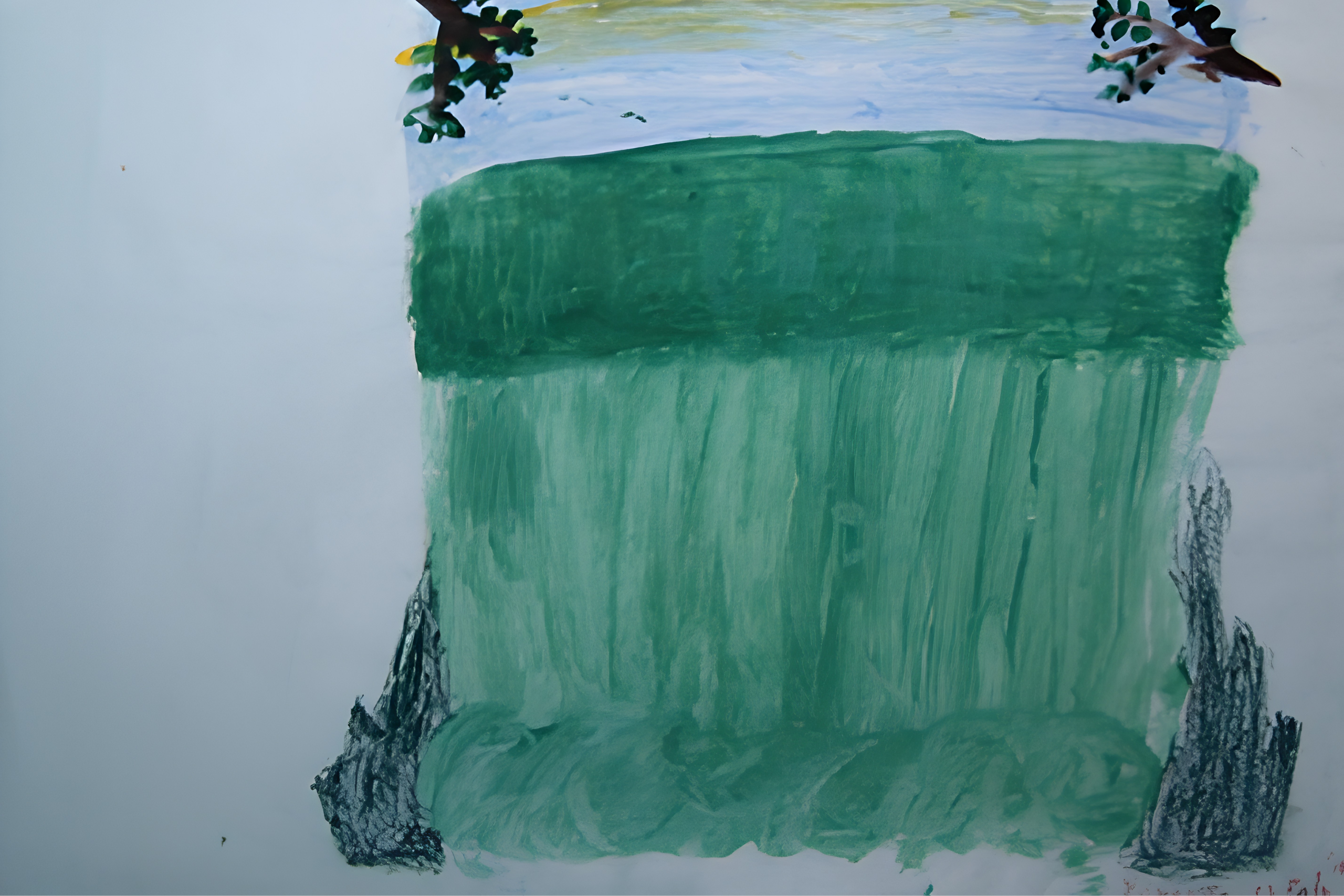
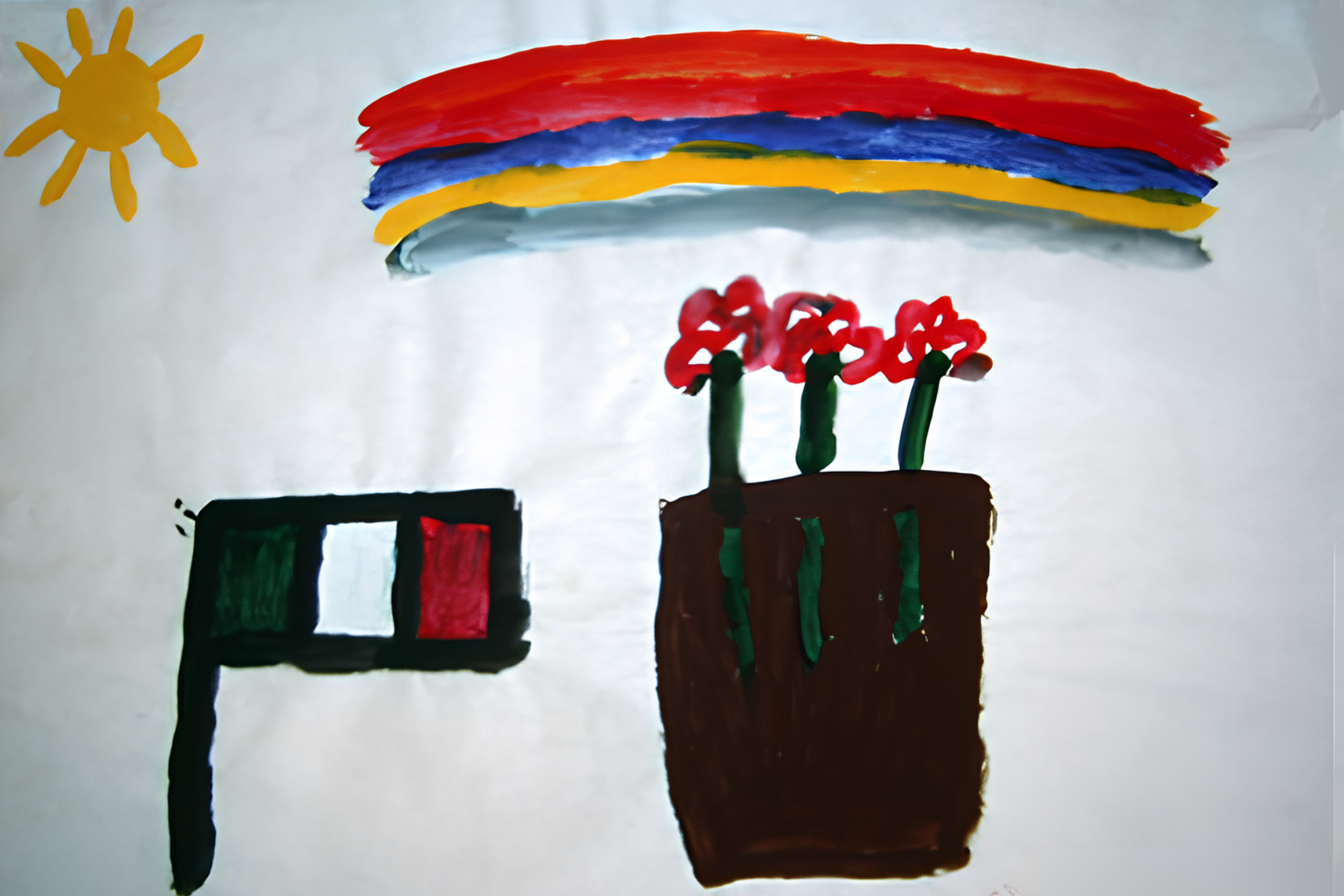
The images created in this context are not simply illustrations; they are psychological expressions. They externalize internal states that might otherwise remain unspoken. Feelings of fragmentation, confinement, or overwhelm may appear as broken forms, enclosed spaces, or chaotic patterns. In other instances, there may be structure, repetition, or even unexpected vitality. These variations reflect the diverse ways individuals organize and respond to illness internally.
Importantly, such images can hold contradictions that are difficult to articulate verbally. A composition may contain both dark and vibrant elements or juxtapose order with disarray. This coexistence mirrors the emotional reality of many patients, where acceptance and resistance, hope and despair are present simultaneously. Rather than resolving these tensions, the image allows them to exist side by side.
The act of creating itself carries therapeutic potential. It engages attention, sensation, and movement, allowing repetitive or distressing thoughts to be contained and communicated by the process, in the presence of another. This does not eliminate anxiety or sadness, but it can reduce their immediacy. In this way, art-making functions as a form of psychological modulation, creating a space in which the individual is not solely occupied by illness.
Over time, patients may notice patterns within their work—recurring colors, shapes, or themes. With the therapist’s support, these patterns can become points of reflection. Through simple, open-ended observations, the therapist helps the patient approach their own experience with curiosity rather than avoidance, allowing meaning to emerge gradually rather than being imposed.
Another important dimension is the restoration of agency. Chronic illness often imposes a structured and externally driven routine. Appointments, treatments, and medical decisions can create a sense of passivity. Artmaking reintroduces choice. The patient decides what to create, how to engage with materials, and when the work feels complete. The therapist supports this autonomy, allowing the process to unfold at the patient’s pace.
There is also an element of vulnerability in sharing such work. Visual expression can feel immediate and exposing. The therapist’s steady presence helps make this exposure tolerable. In being seen without judgment, patients may begin to feel less defined by illness and more connected to a broader sense of self.
Within the repetitive structure of dialysis, even brief moments of creative engagement can introduce variation and meaning. A drawing completed during a session, held within a therapeutic relationship, becomes more than an activity. It becomes an encounter—with oneself, and with another who is willing to bear witness.
Illness disrupts the coherence of the self. Creative expression, supported by the presence of an attuned therapist, does not resolve this disruption directly, but offers a way to shape, observe, and gradually integrate the experience, supporting a renewed sense of meaning within chronic disease.
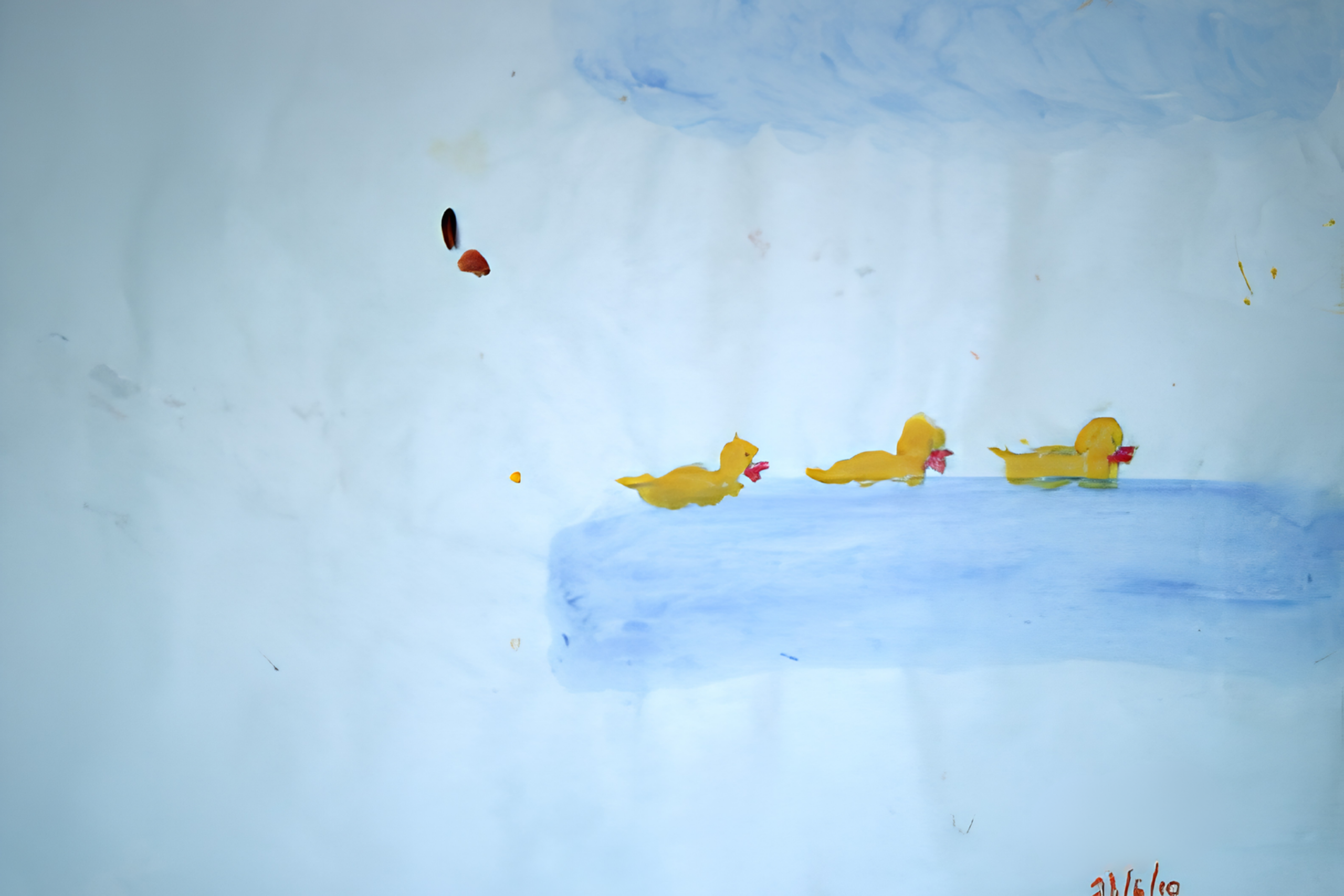
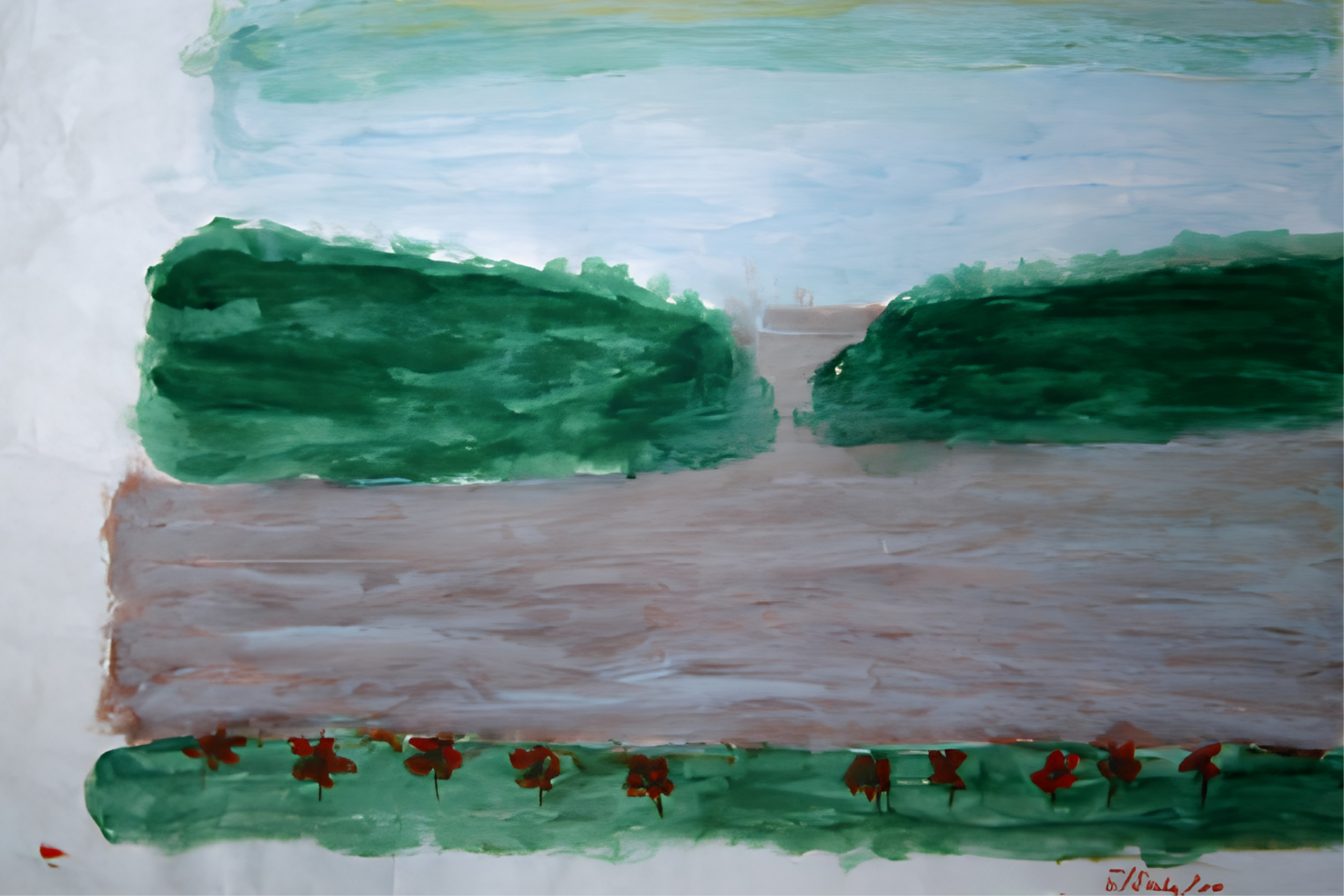
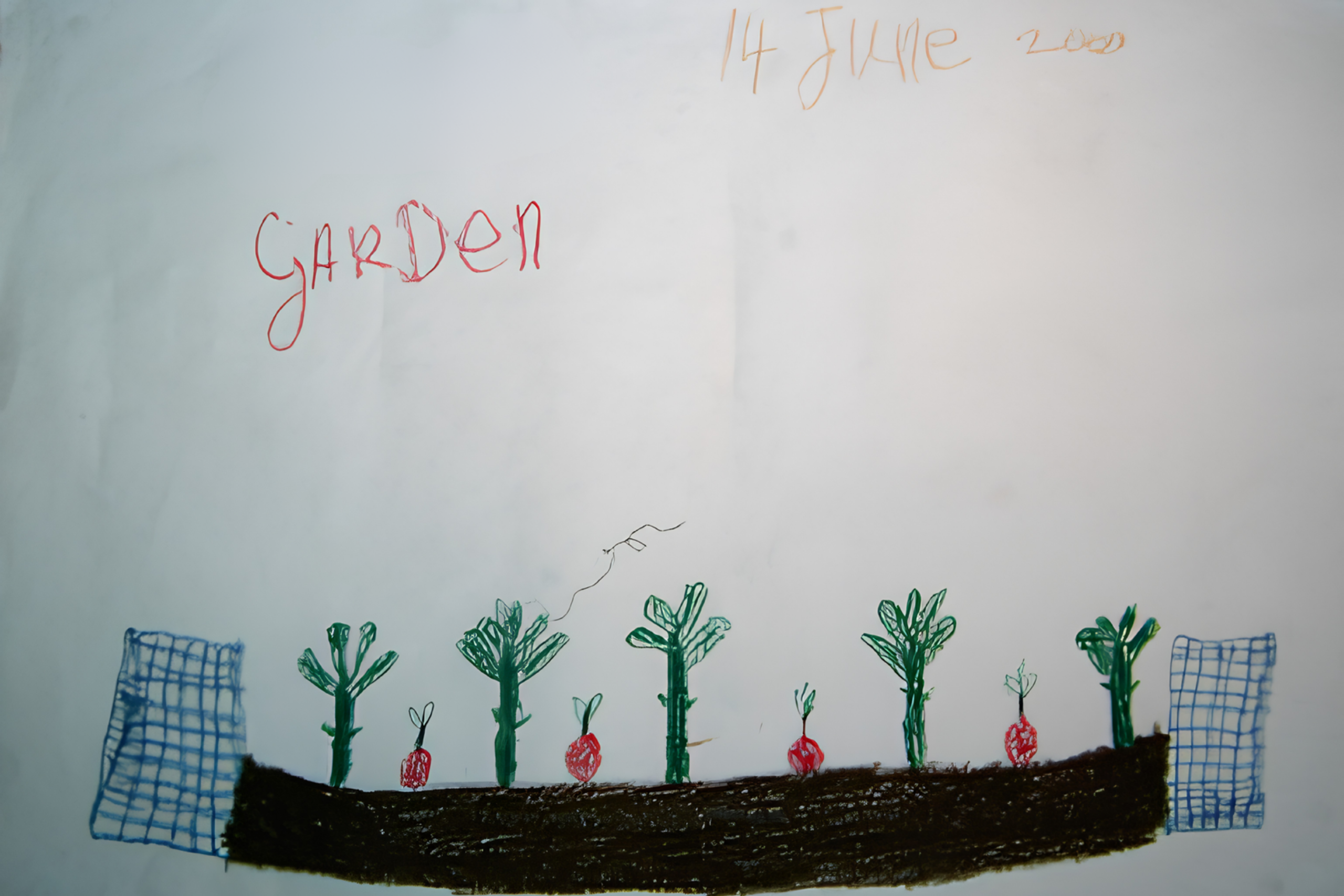
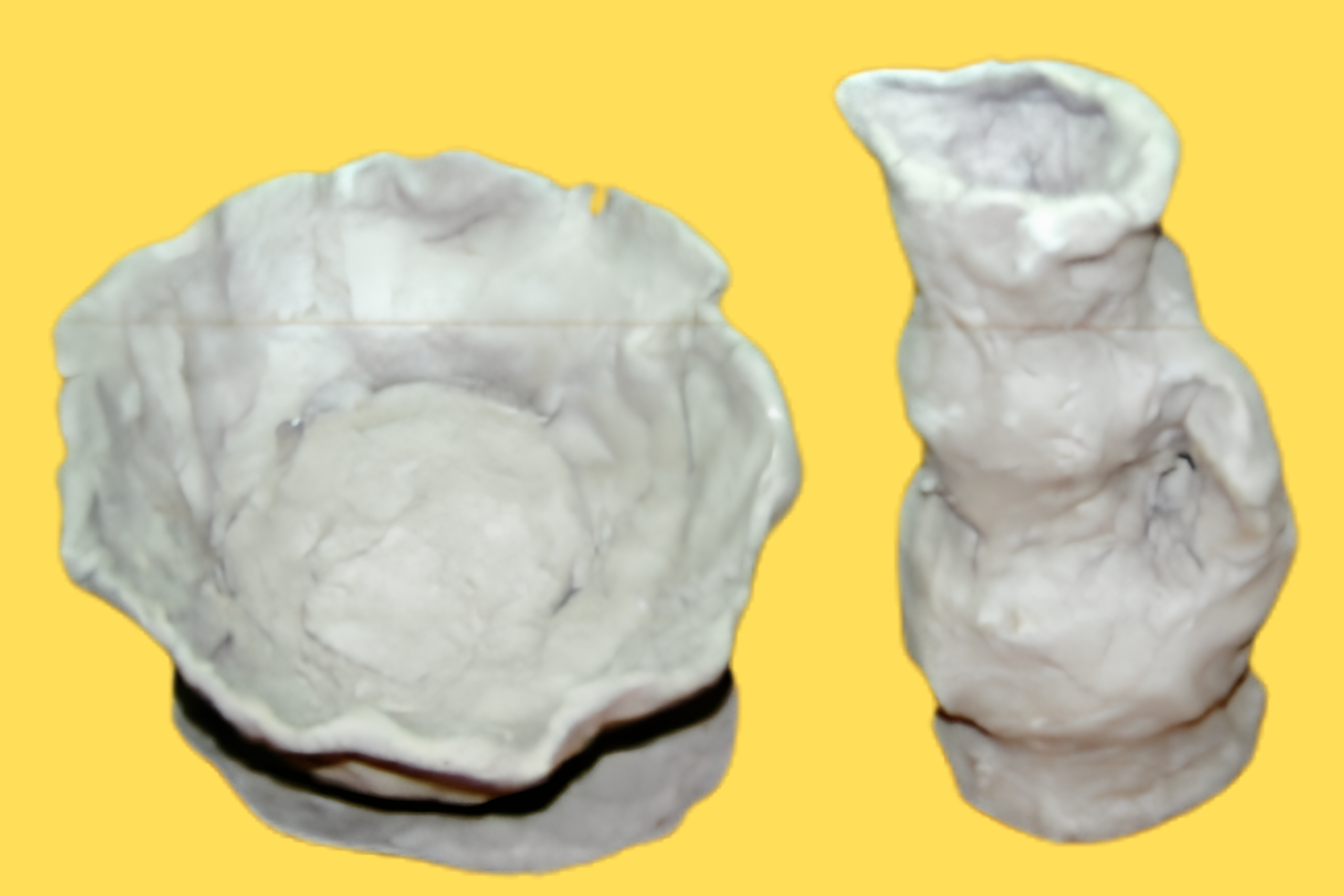
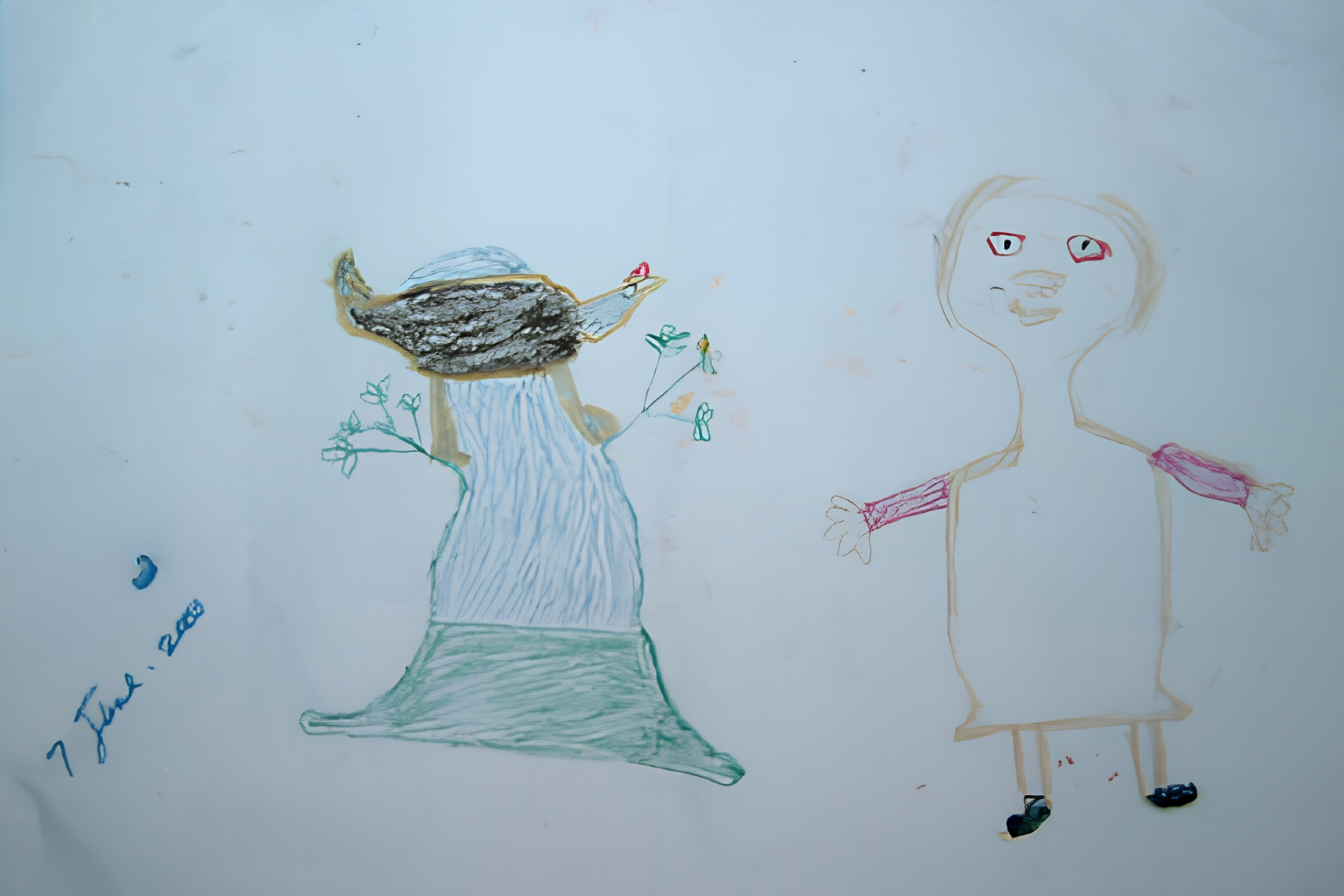
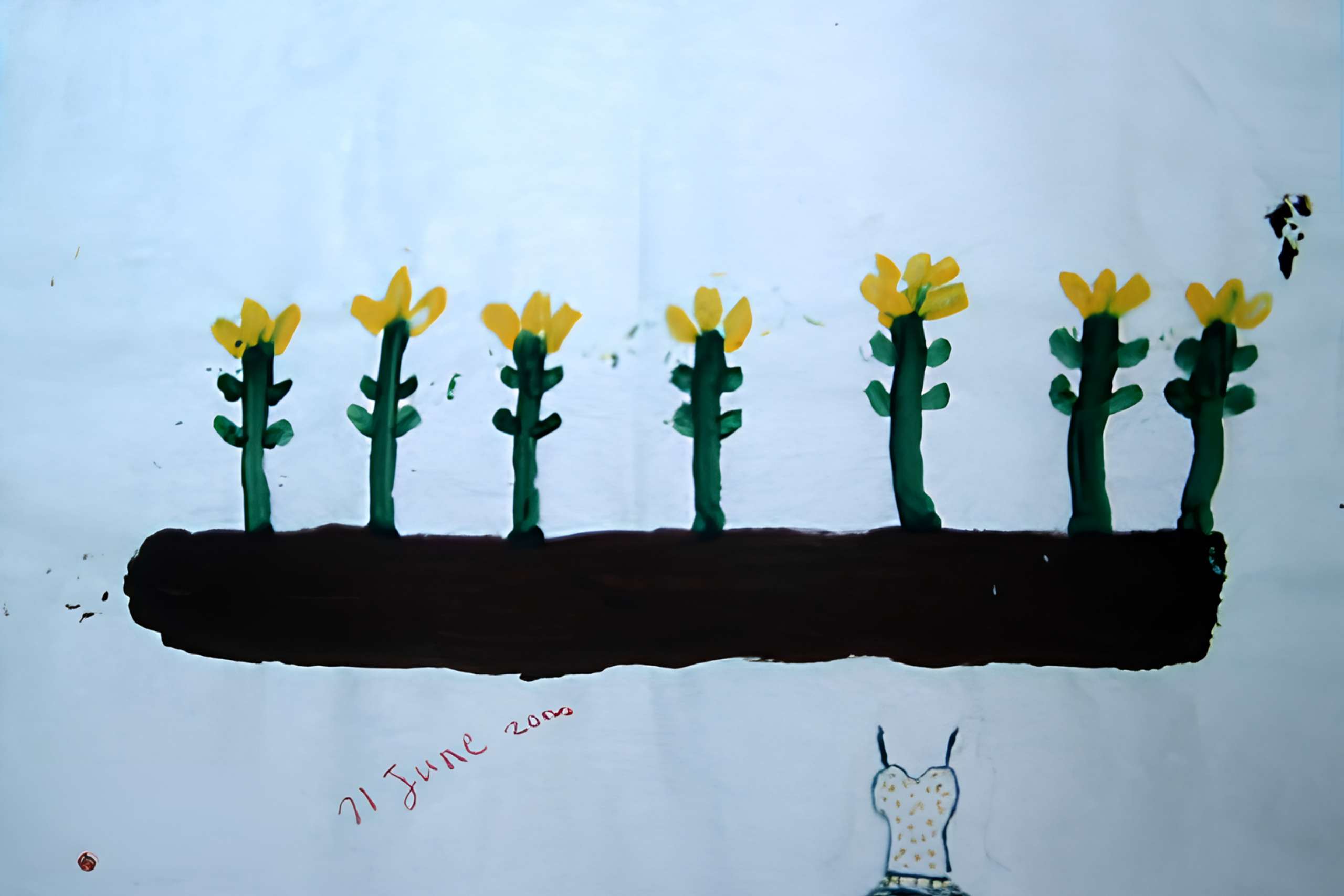
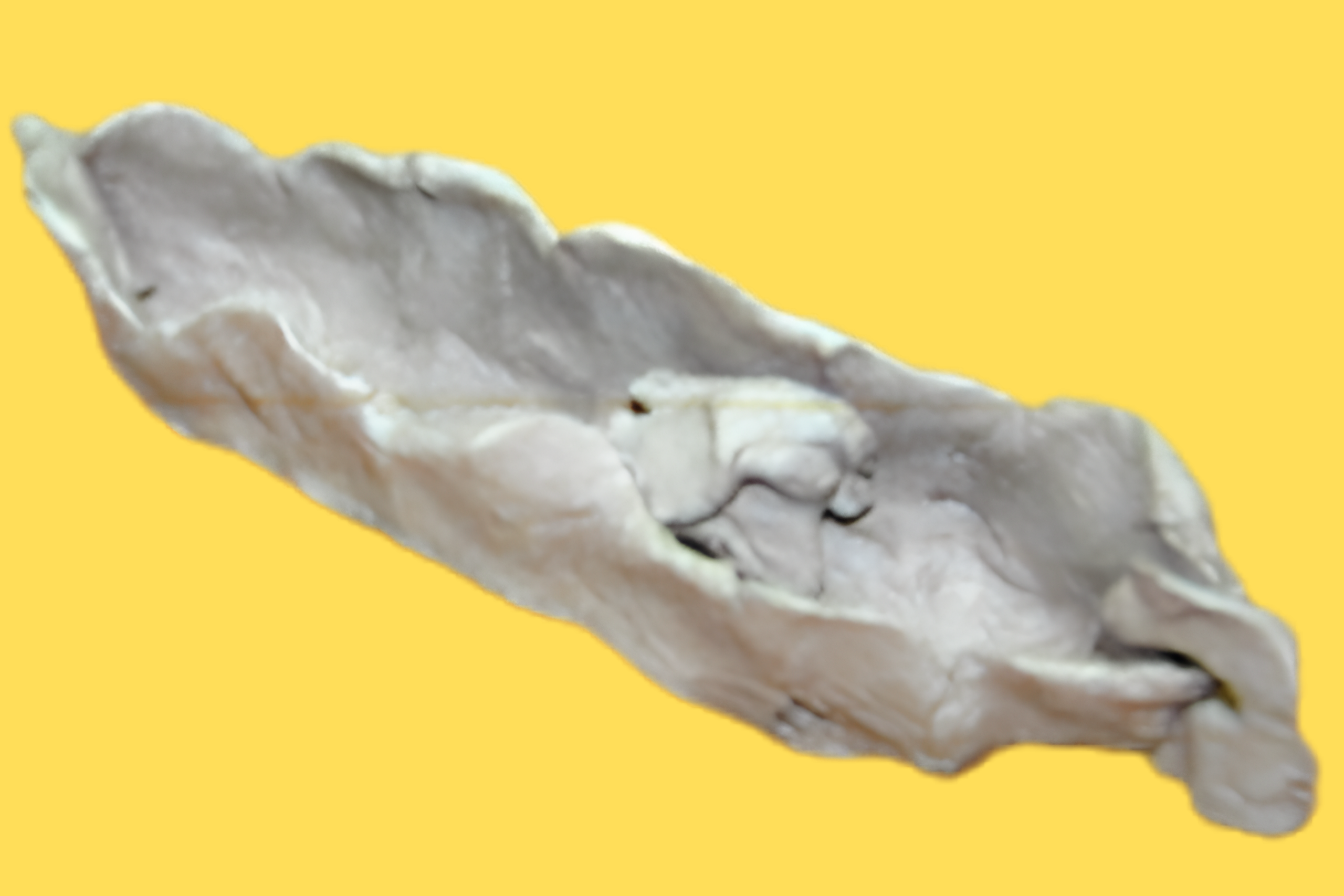
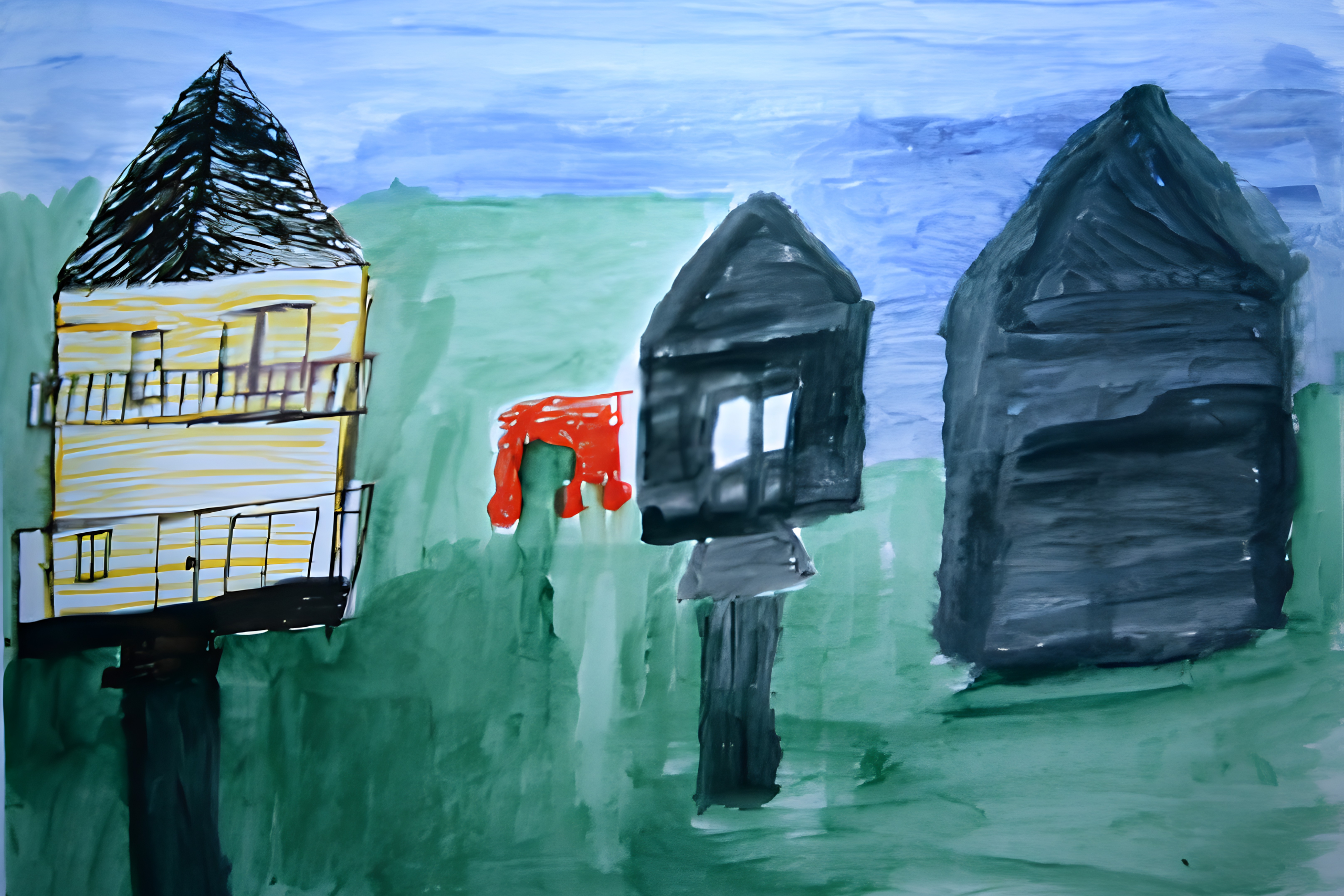
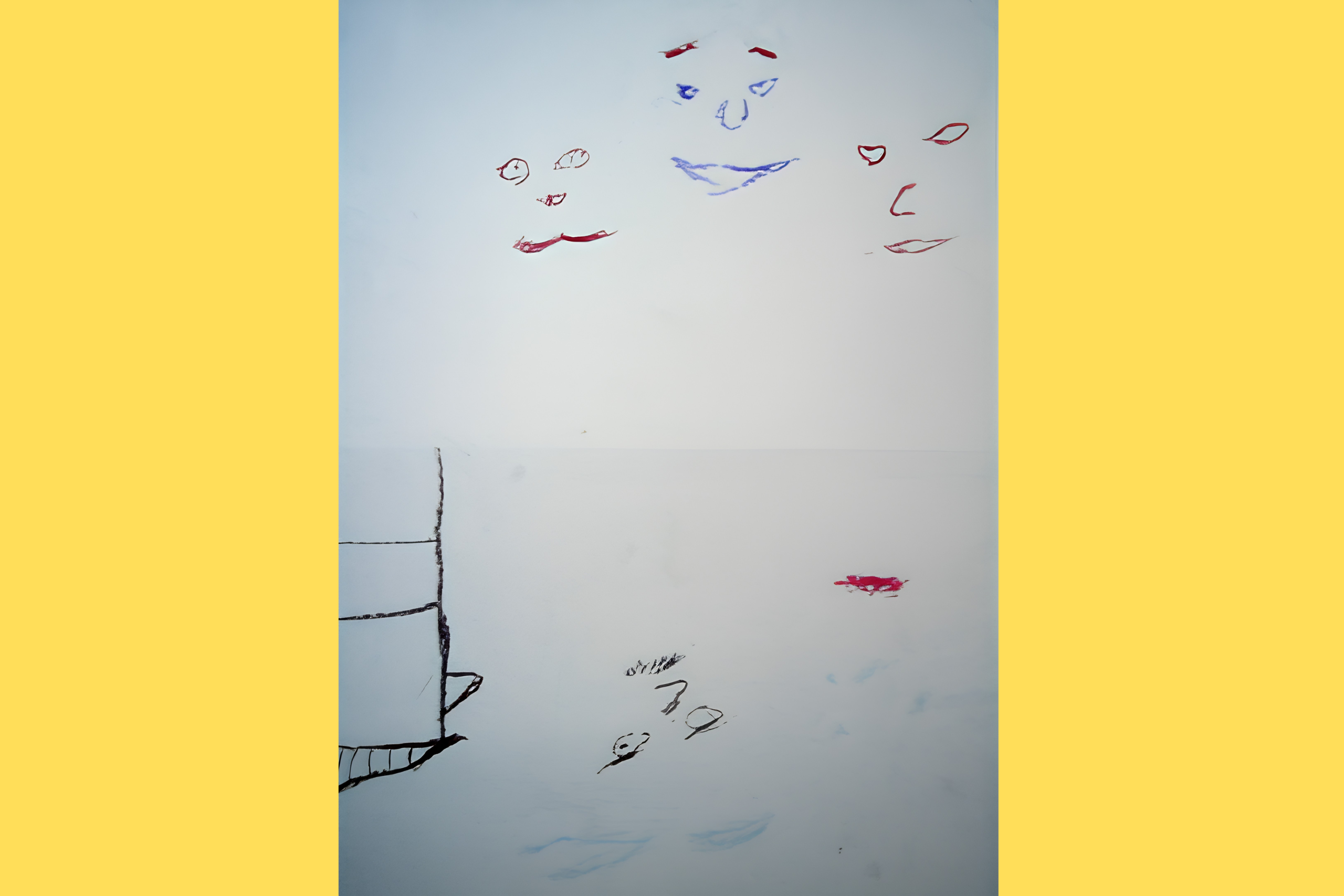
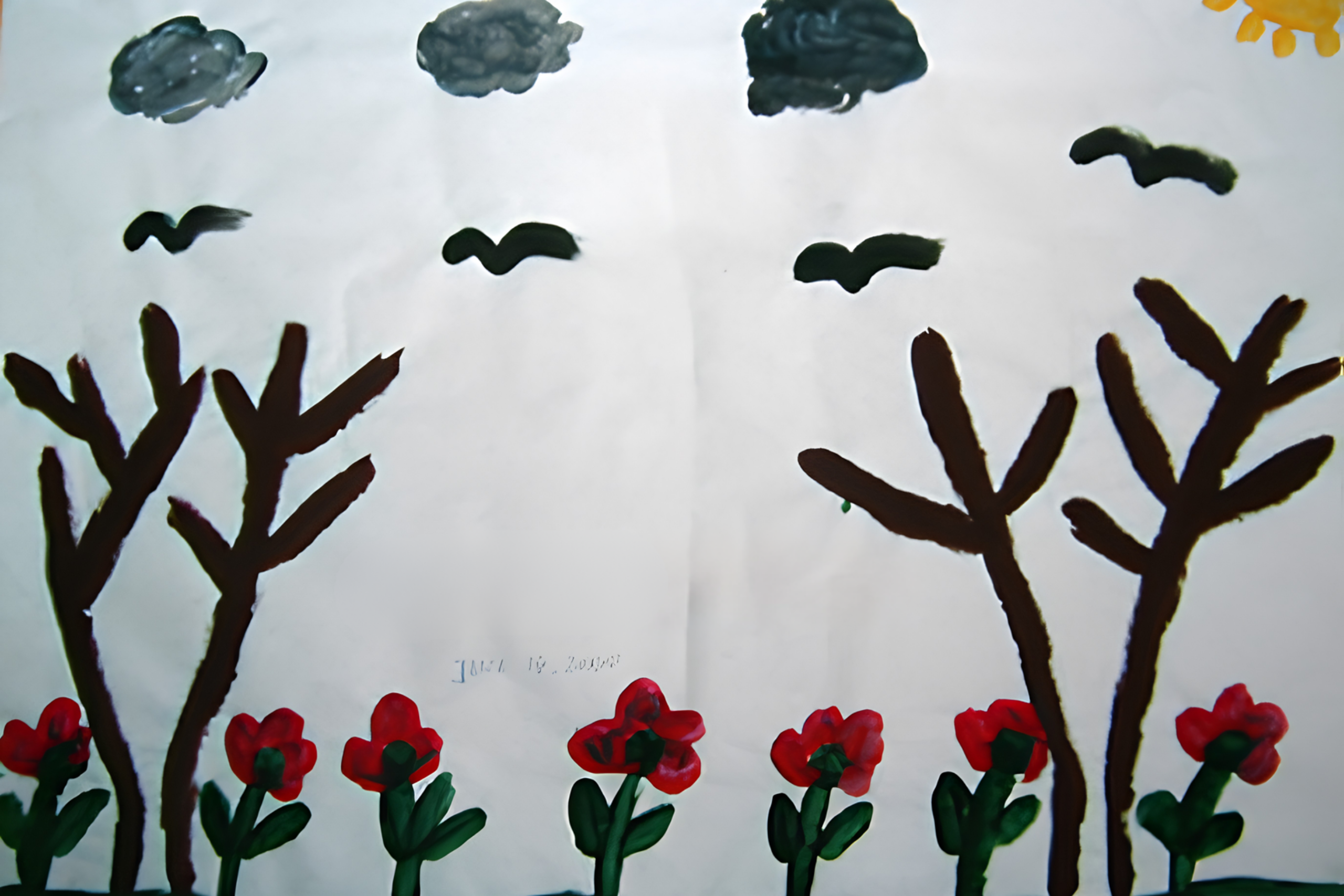
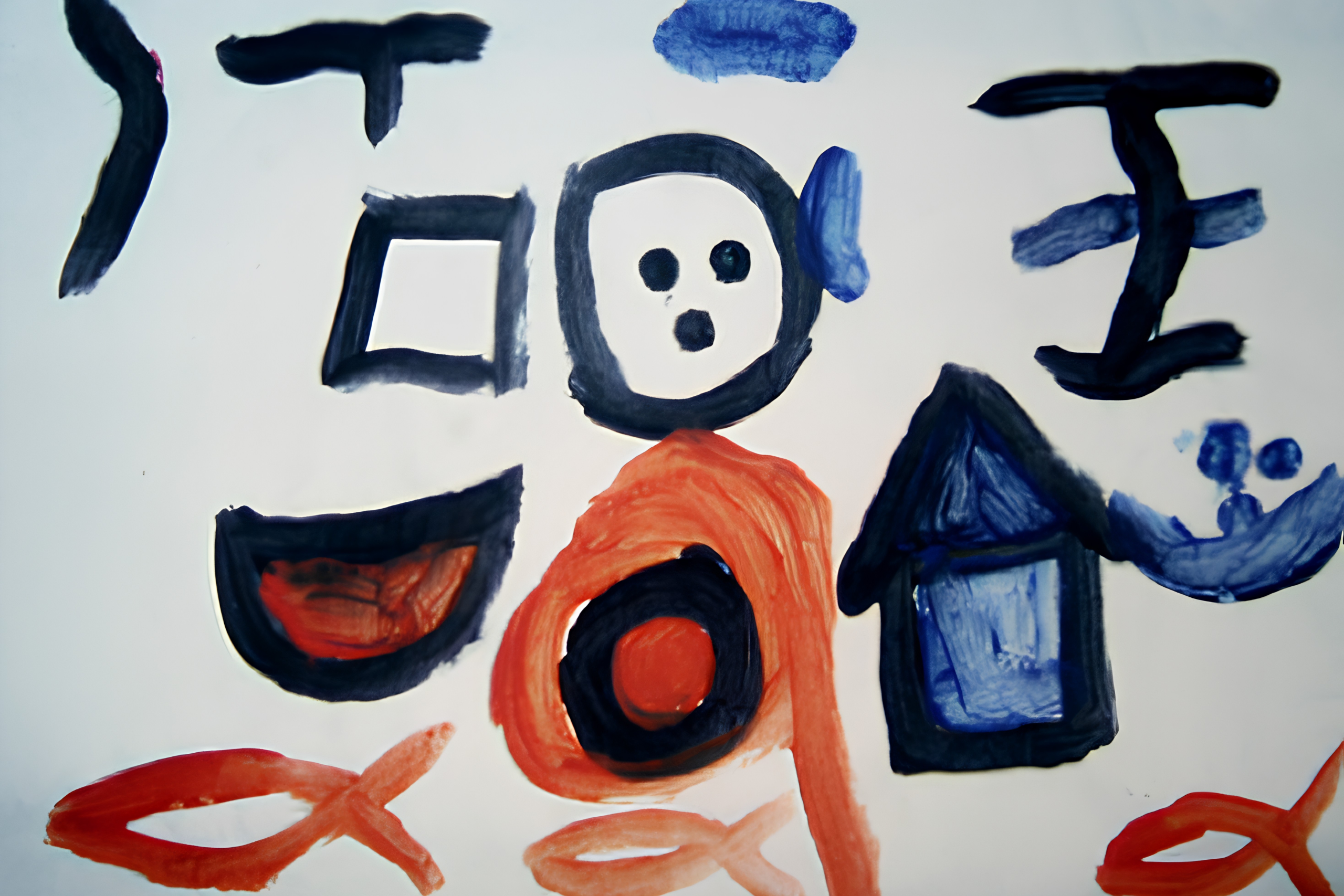
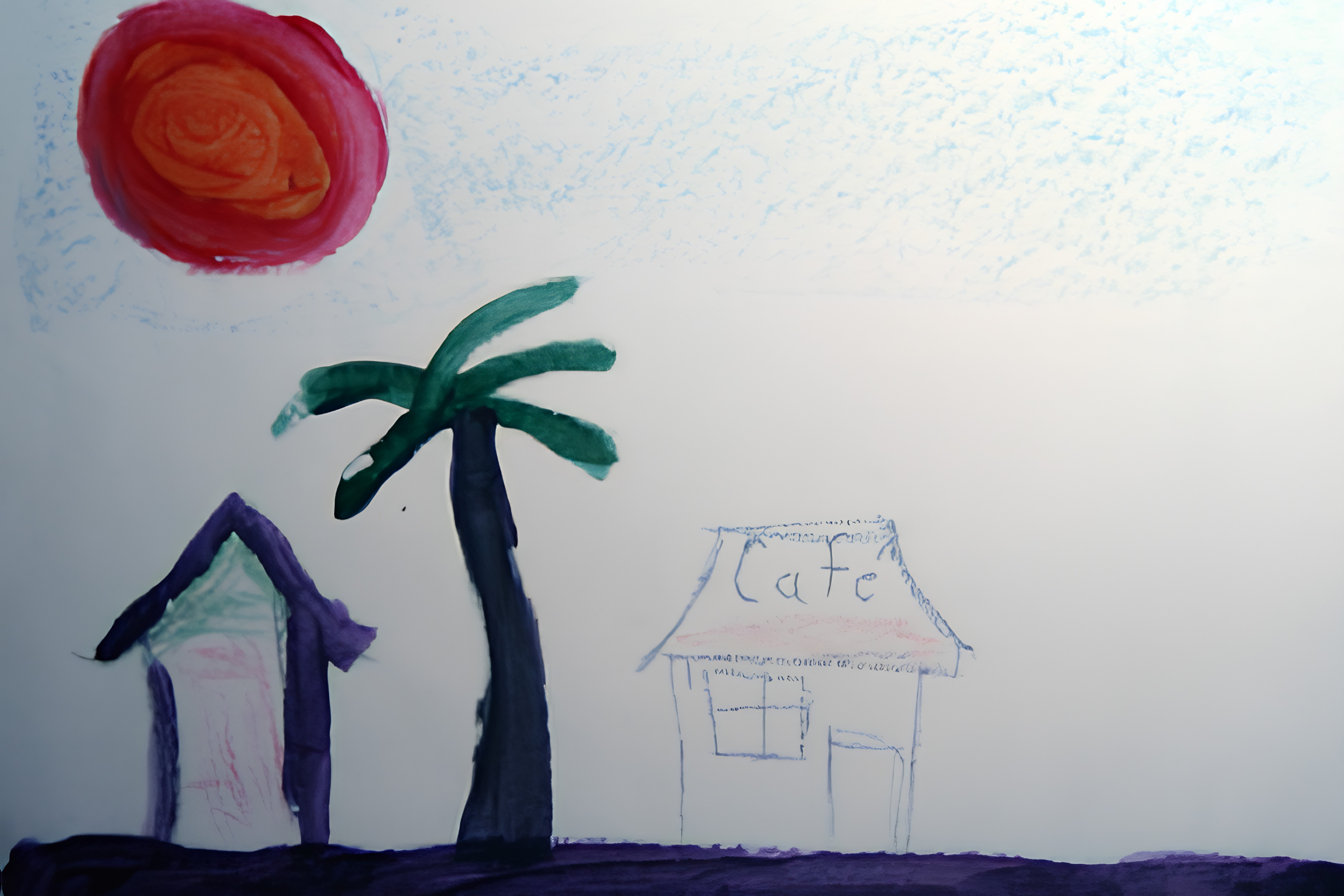
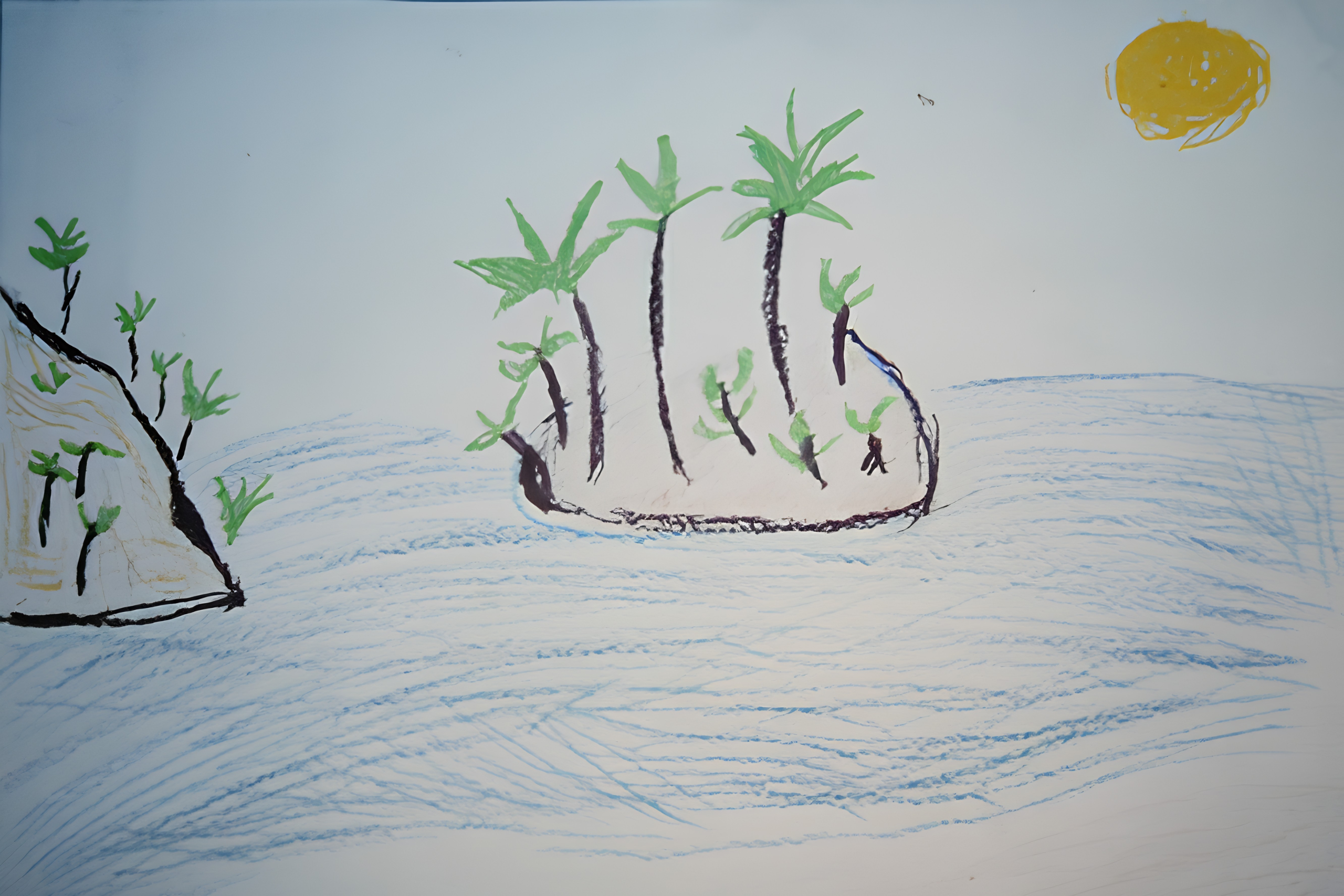
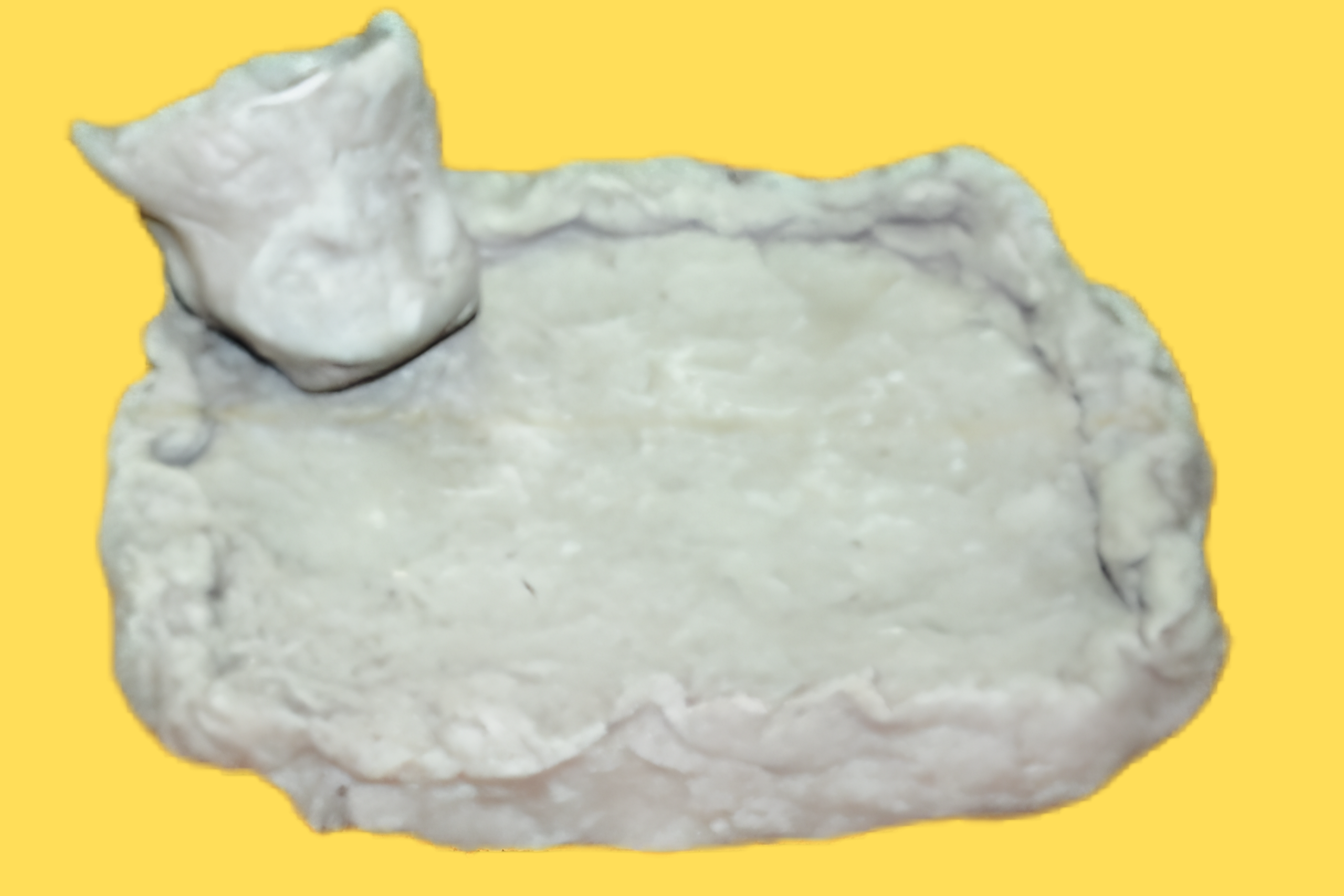
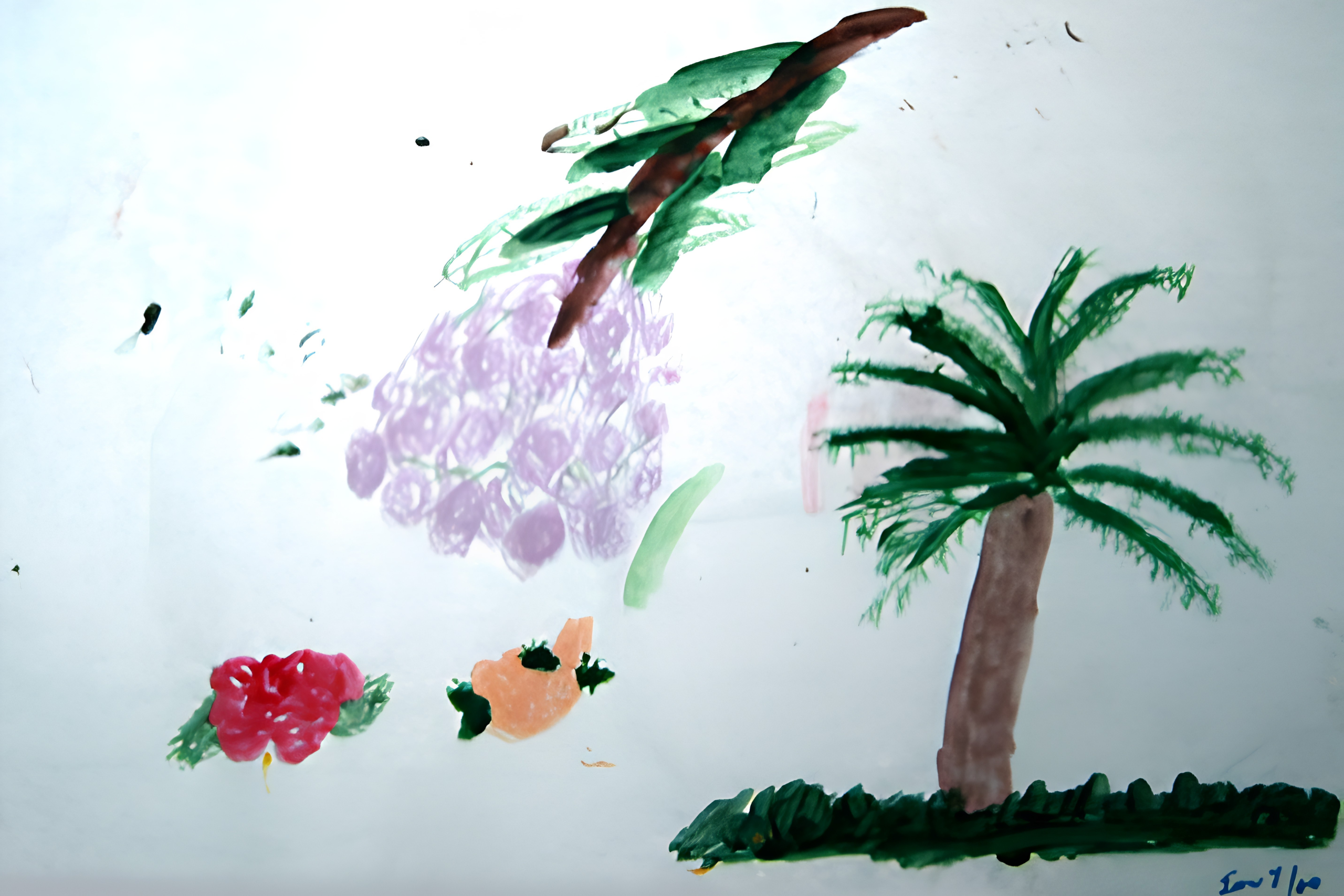
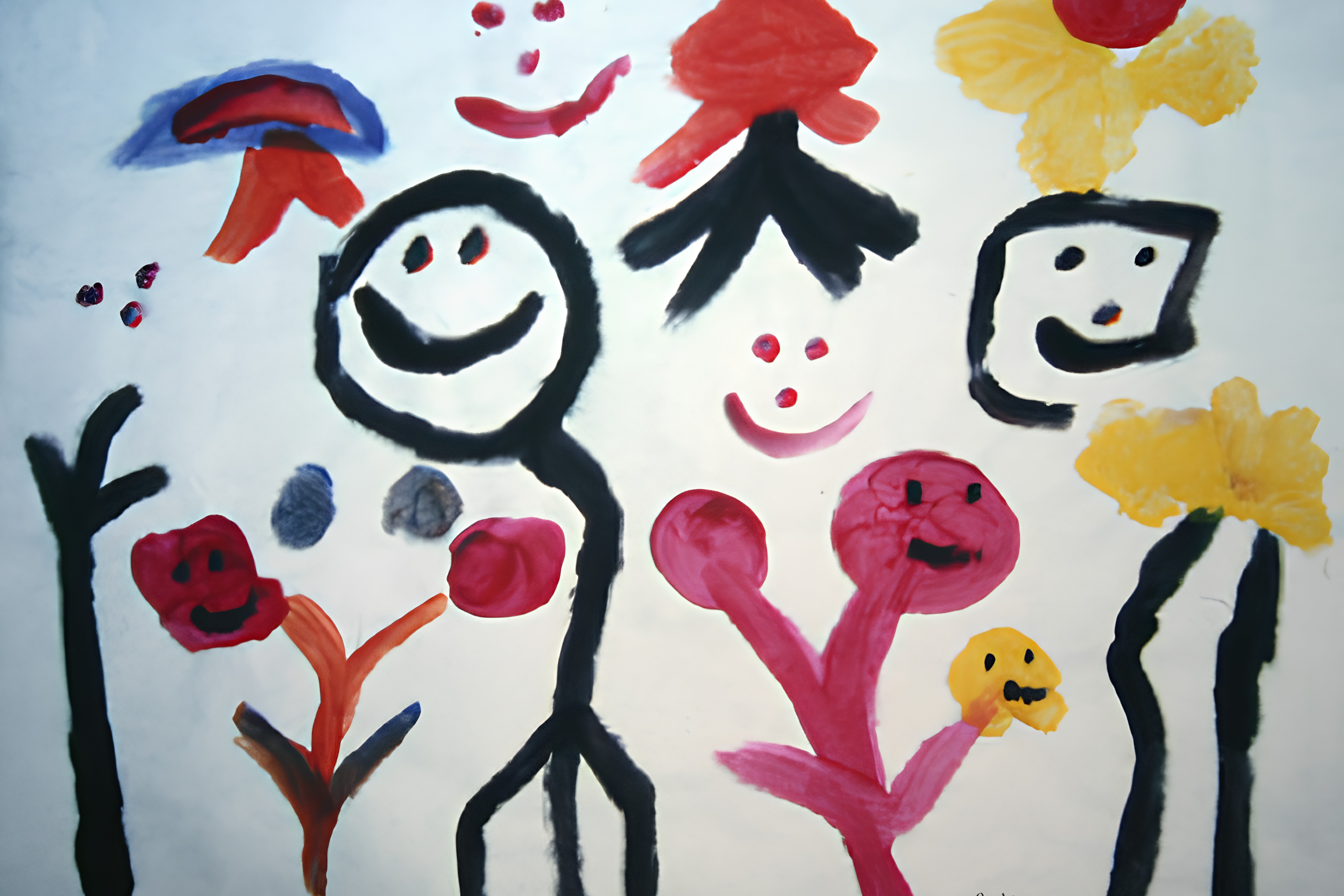
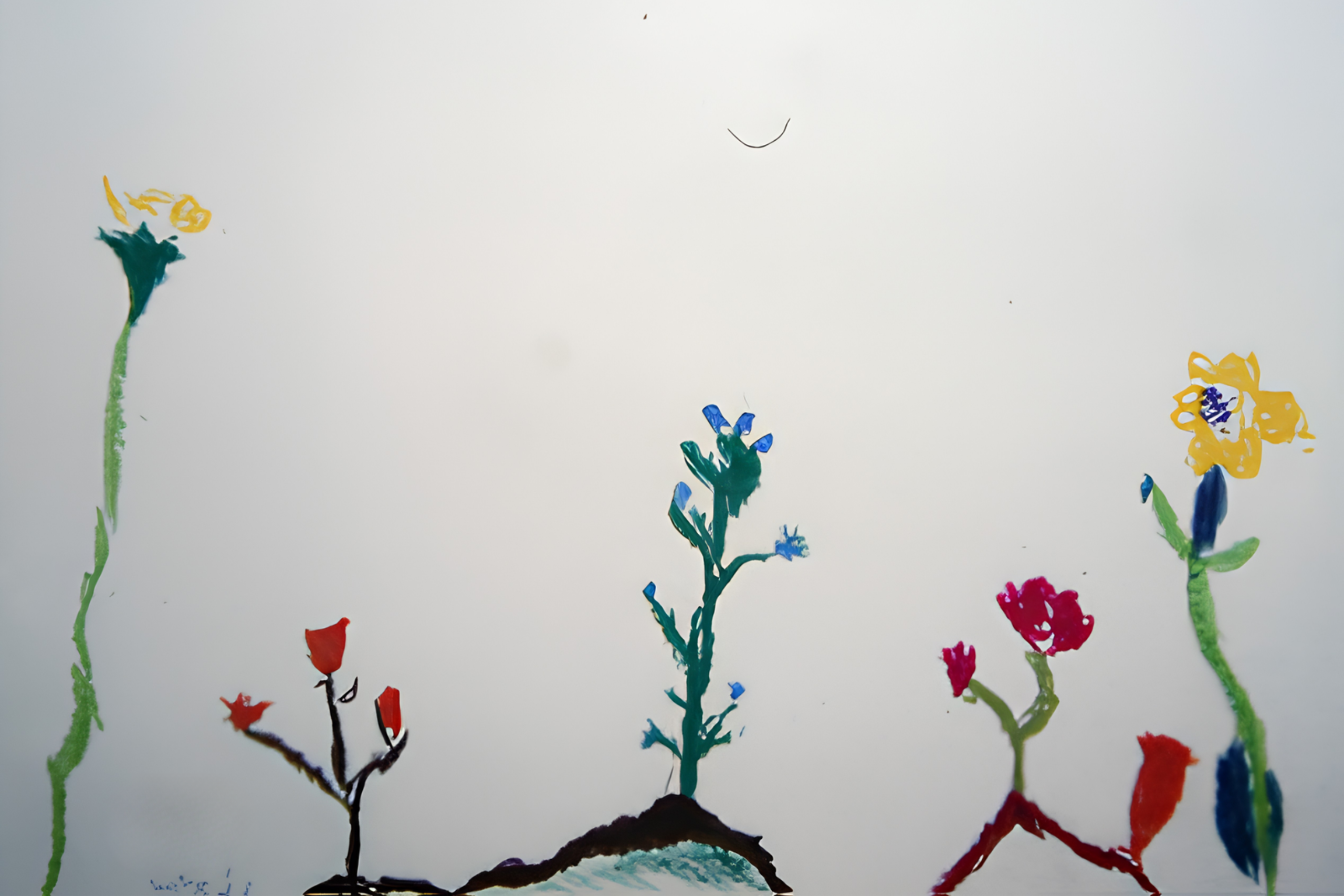
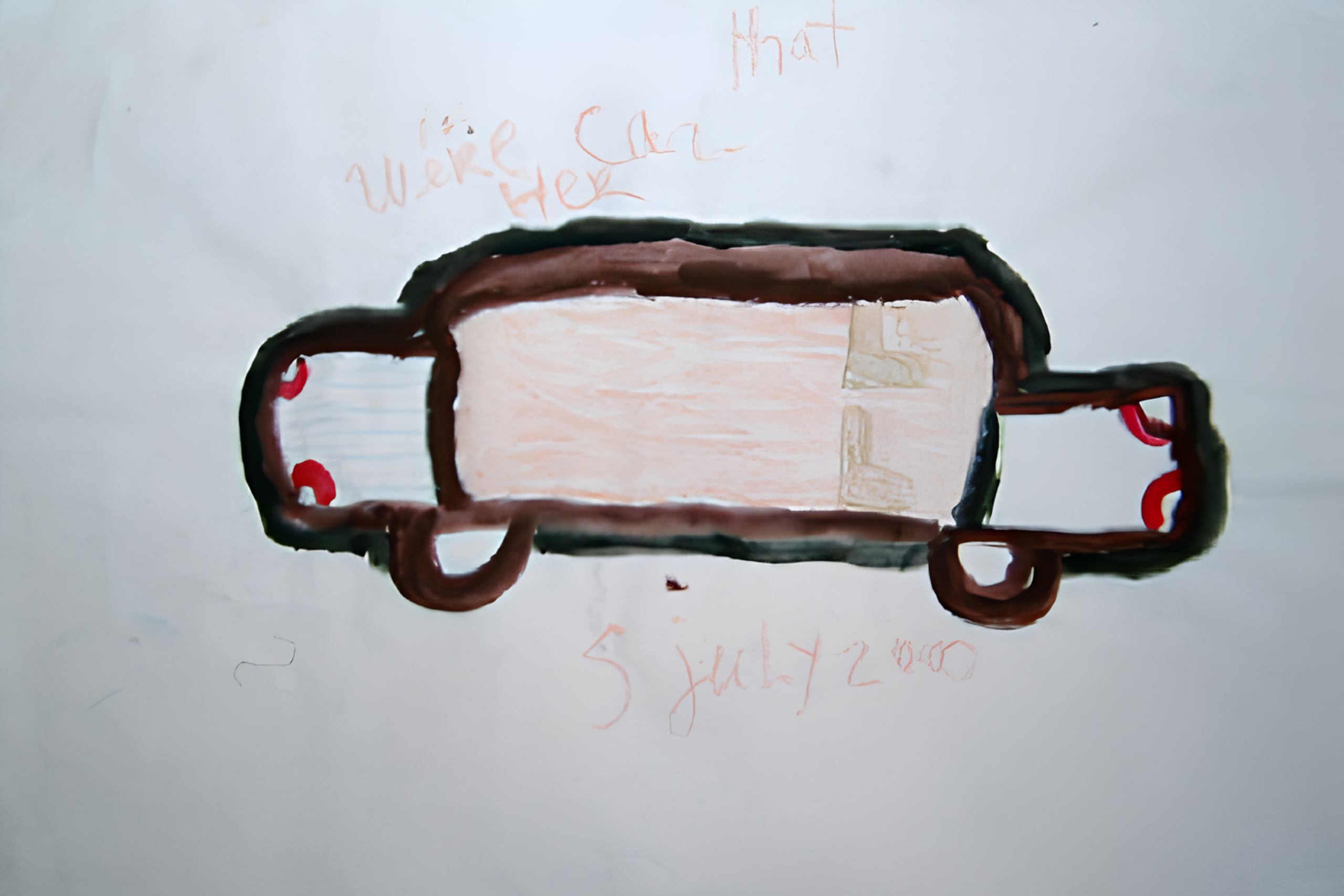
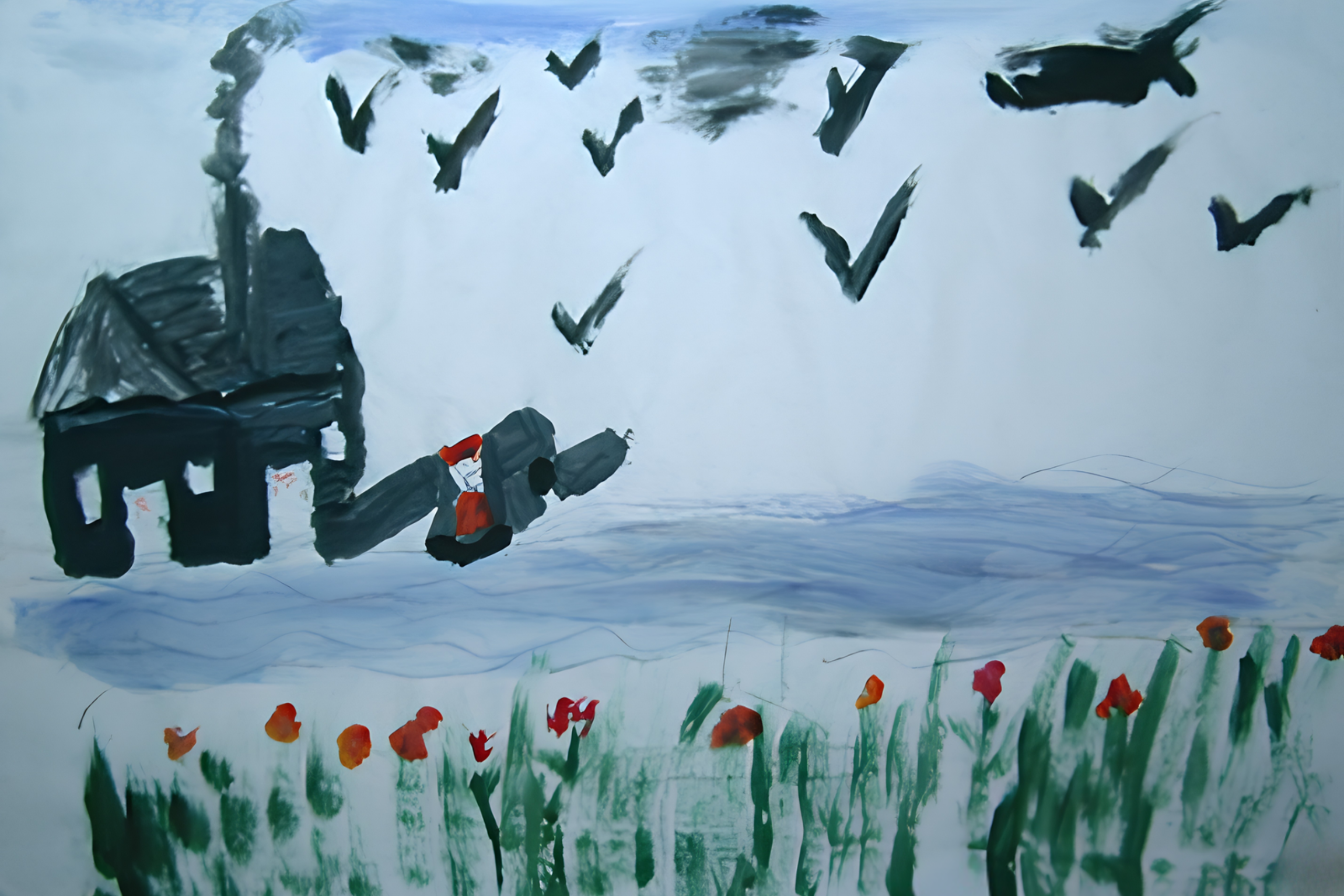
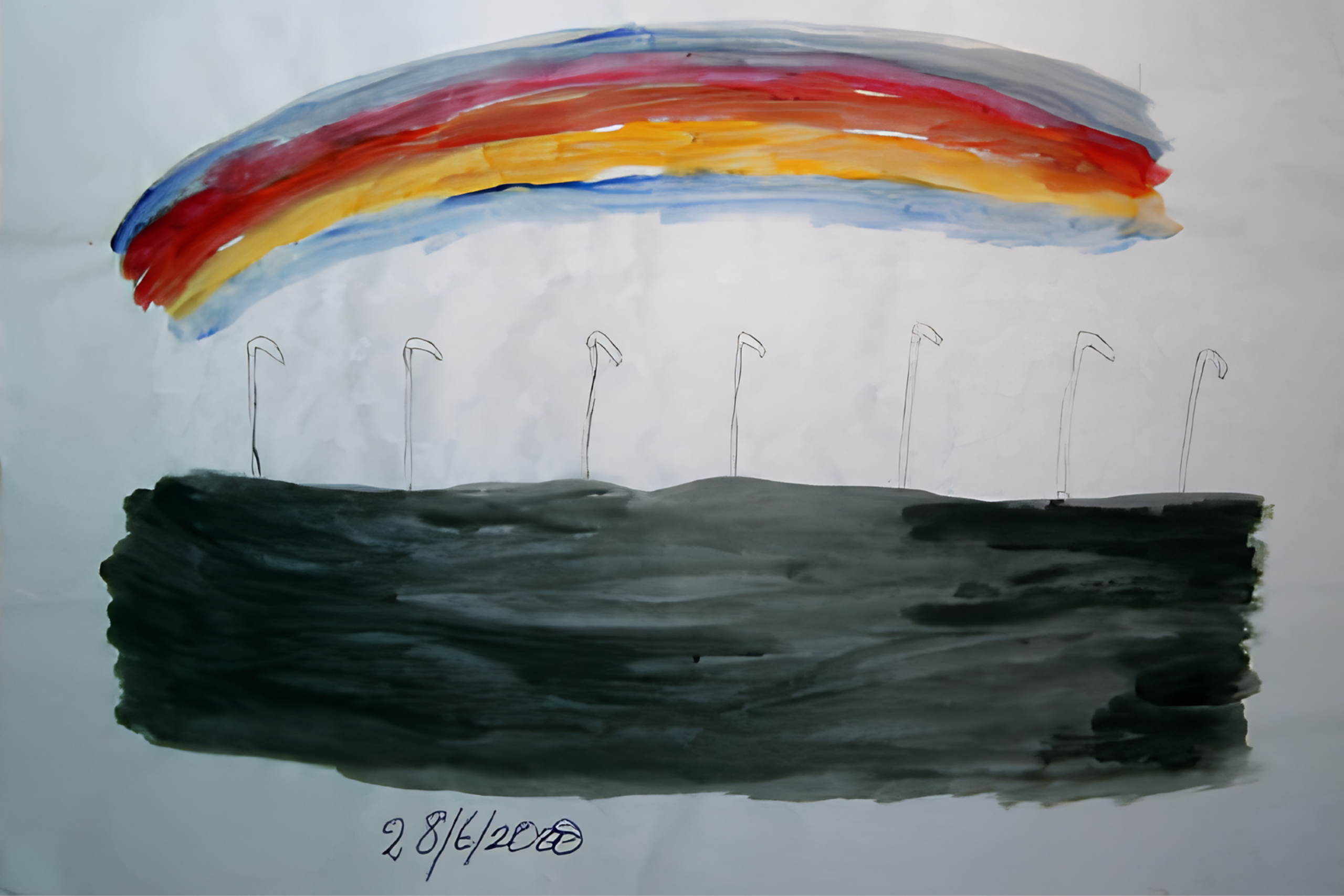
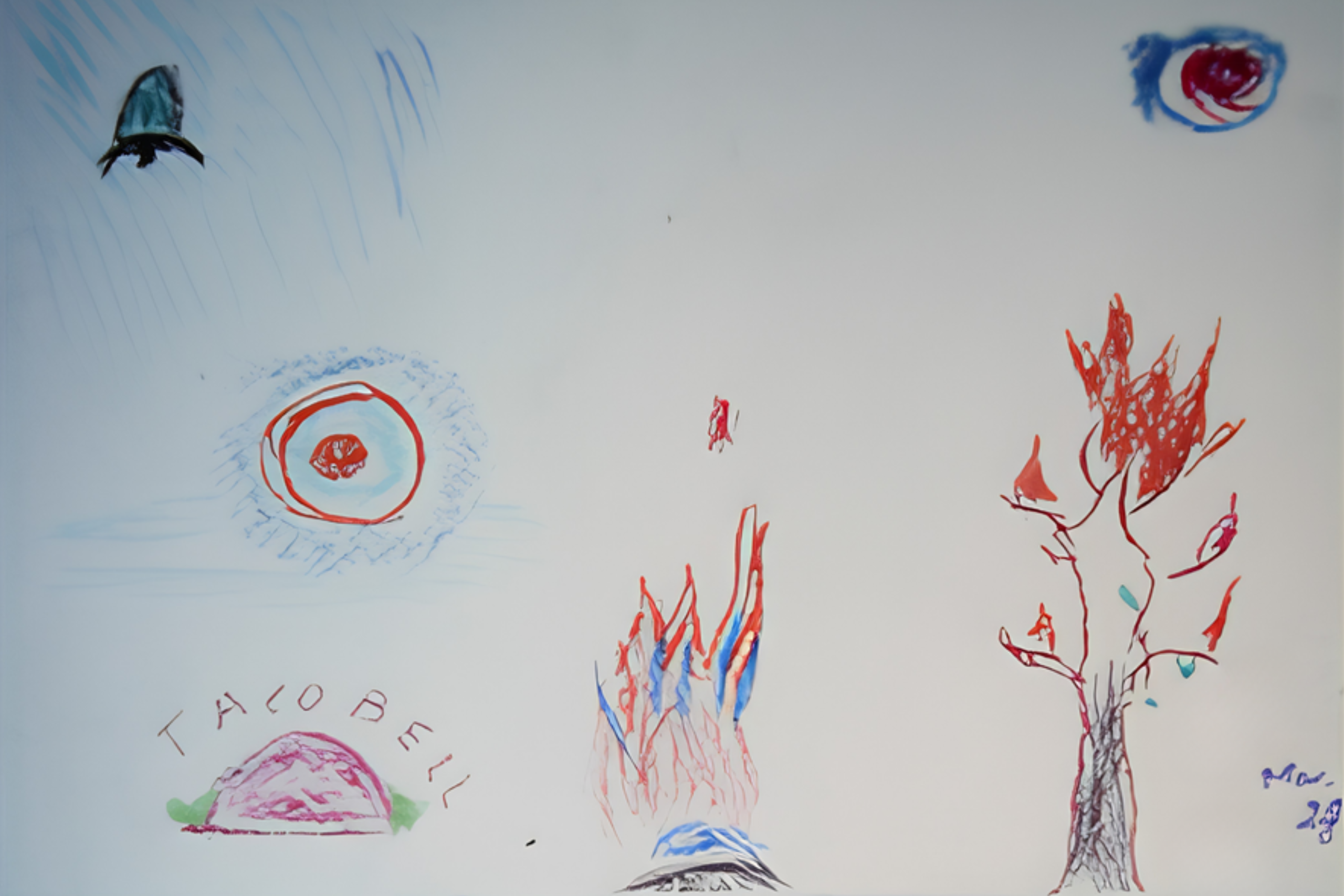
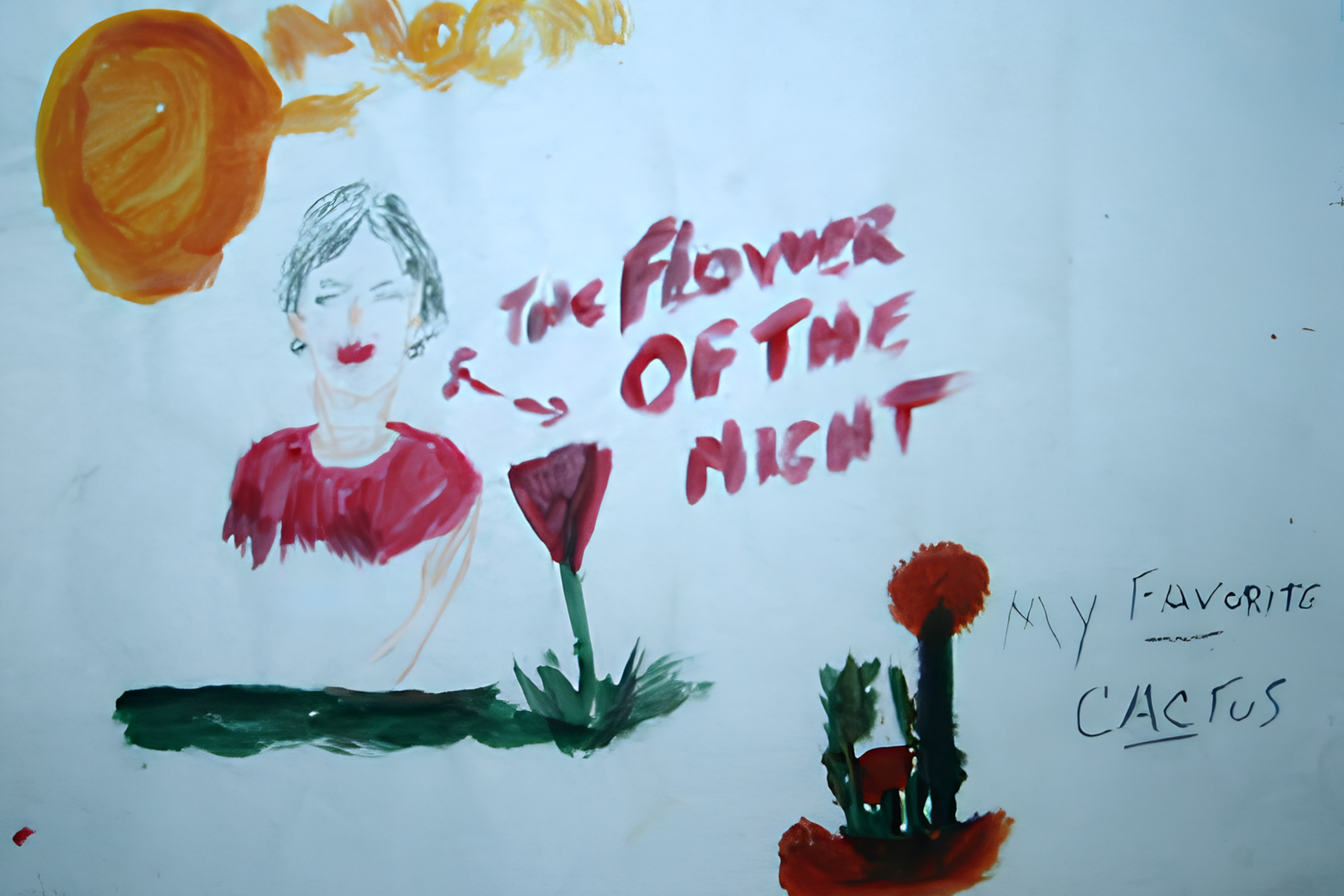
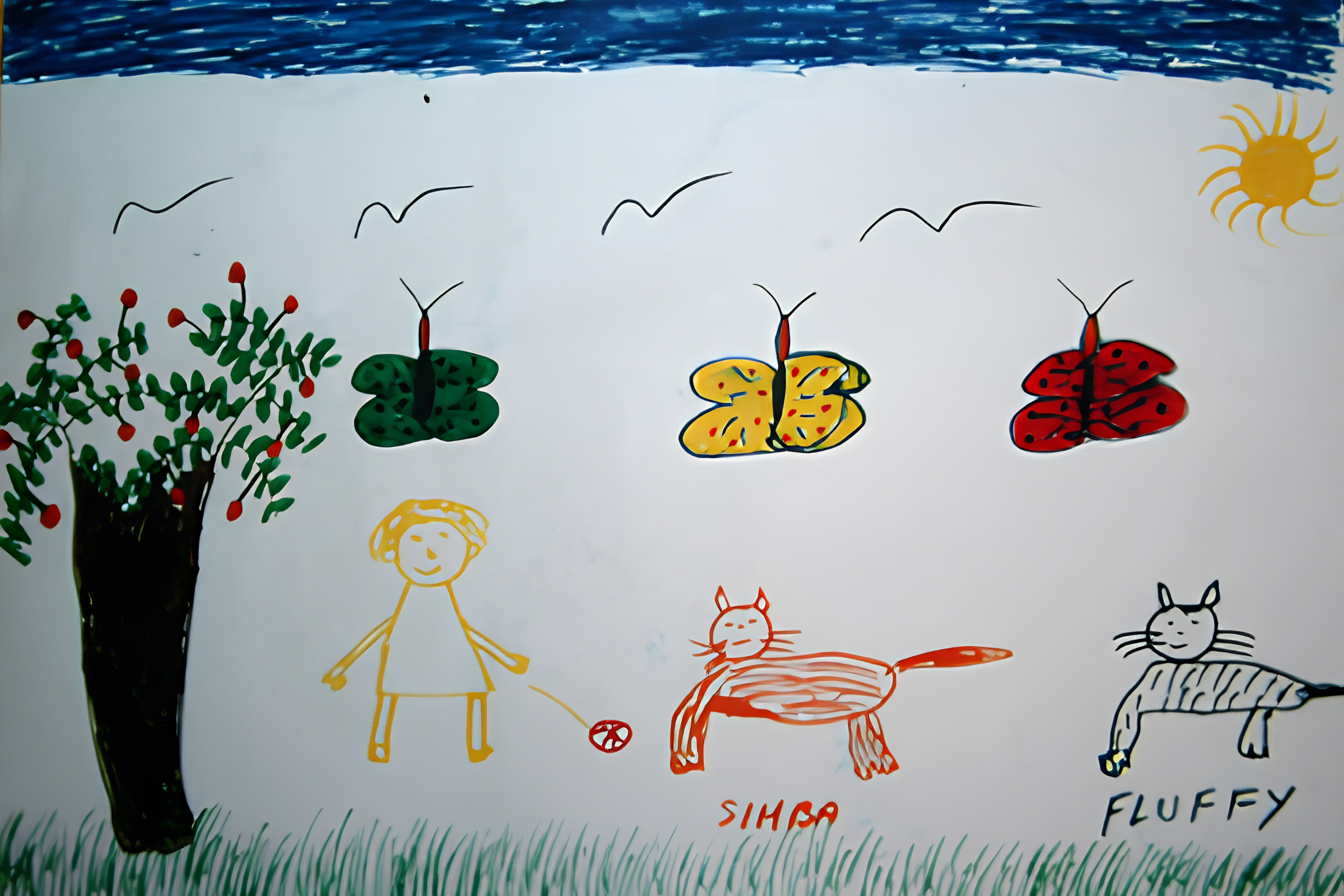
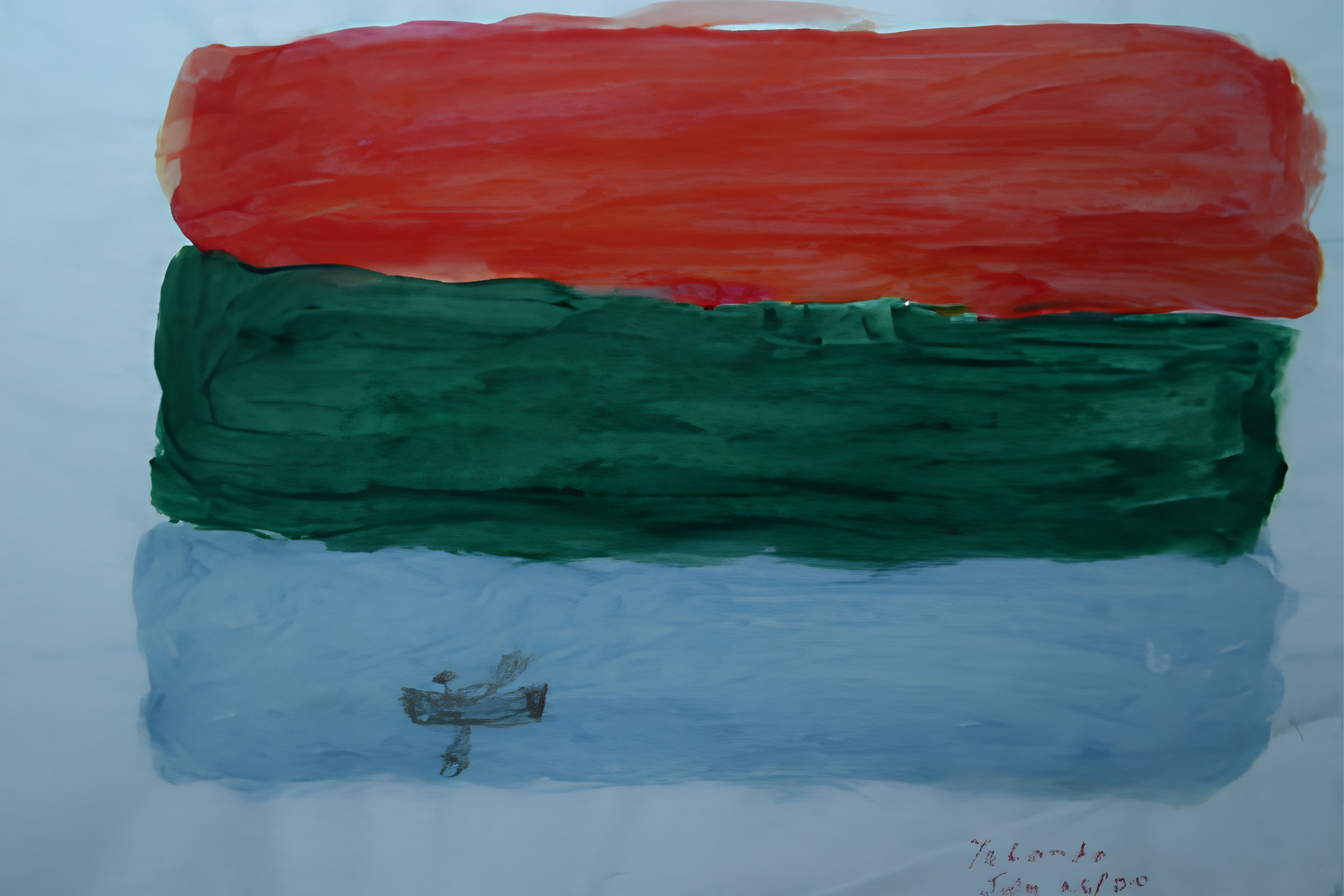
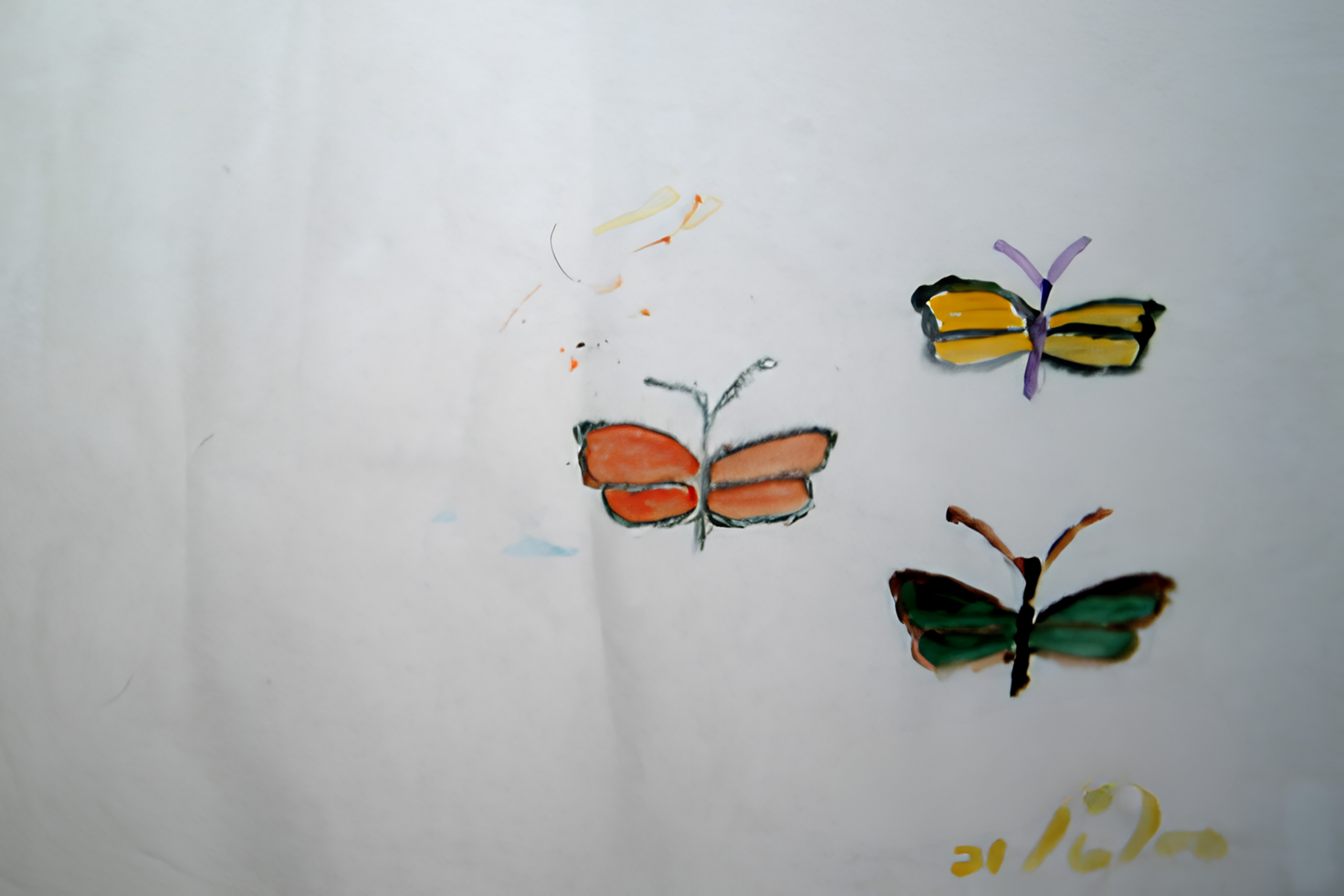
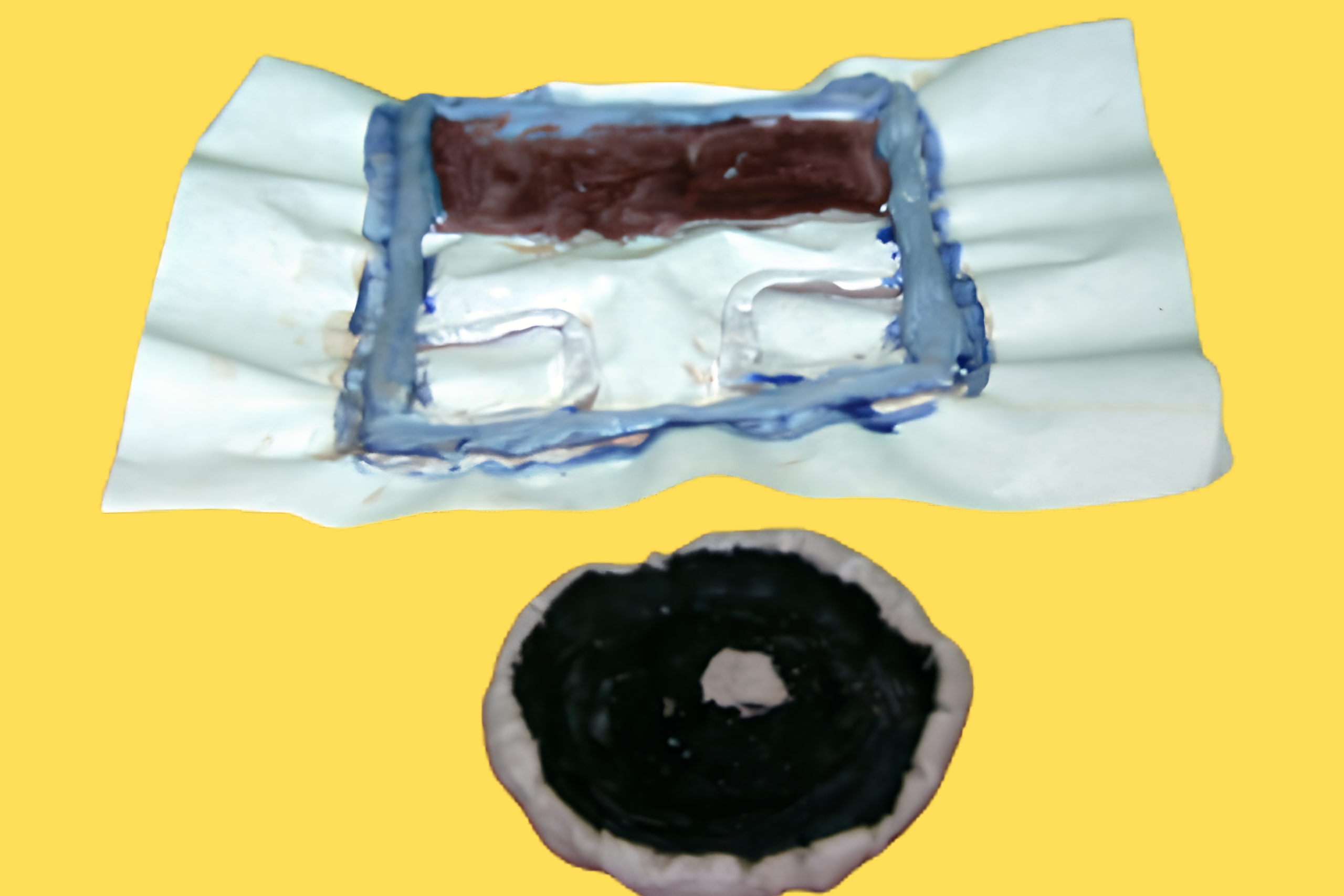
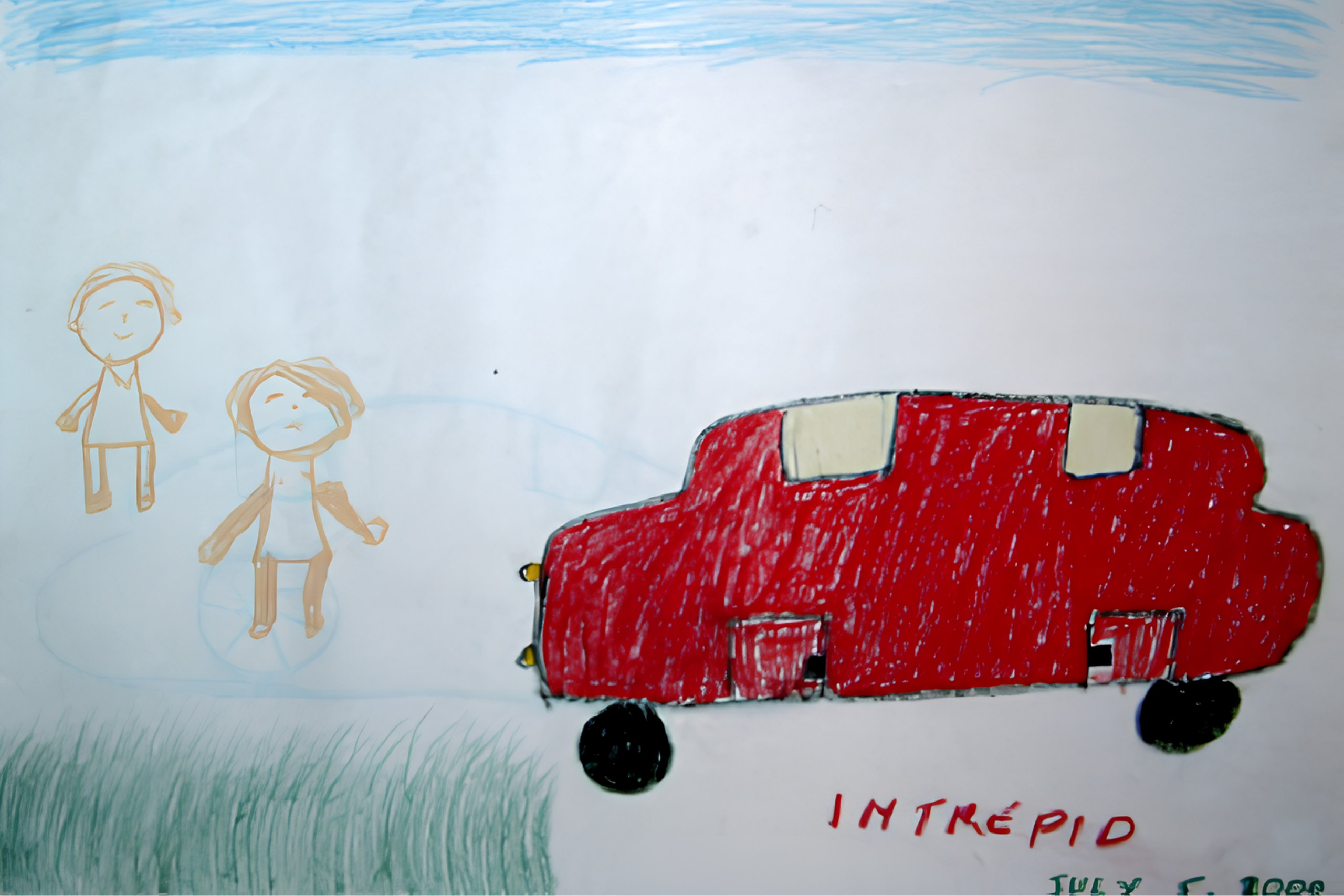
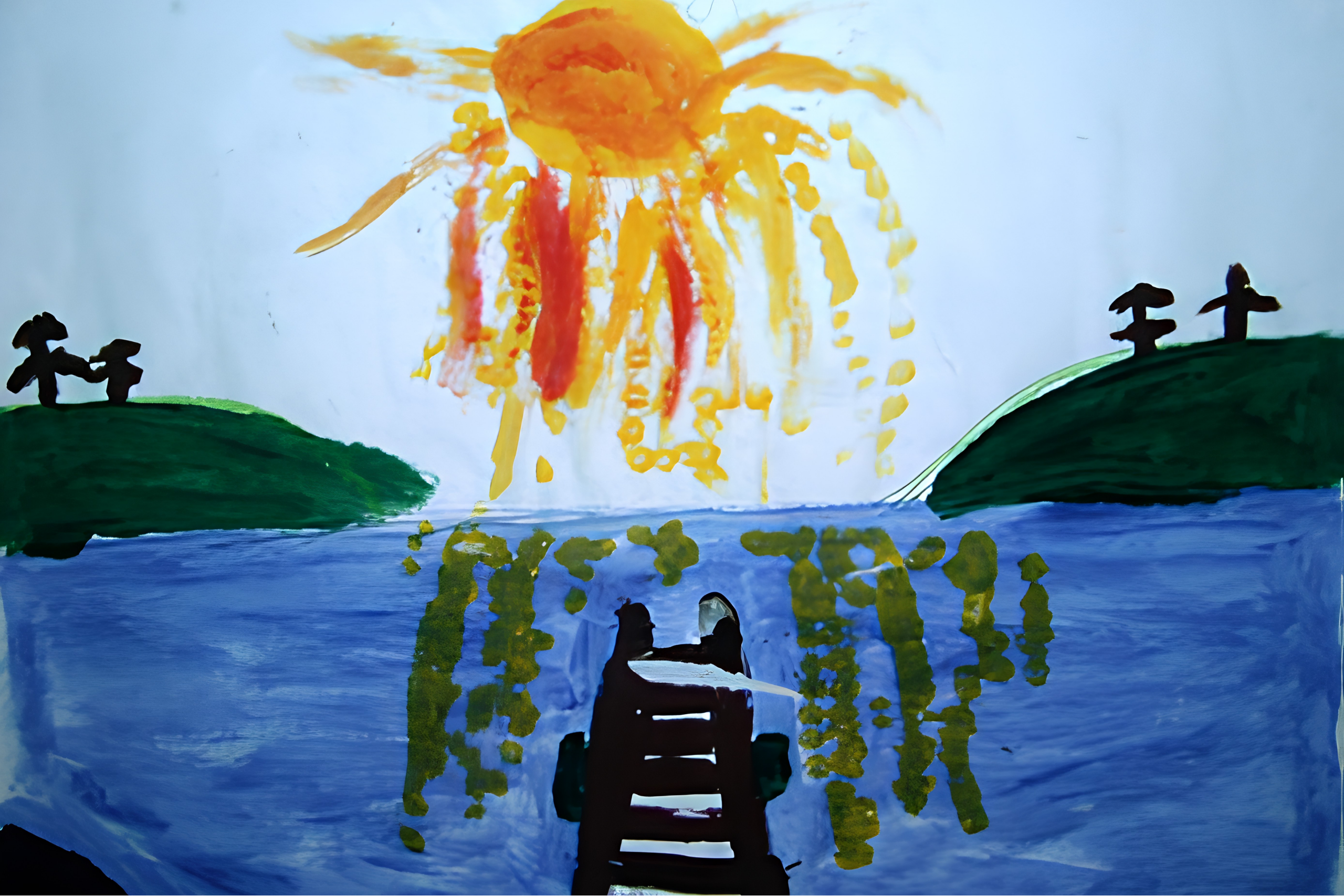
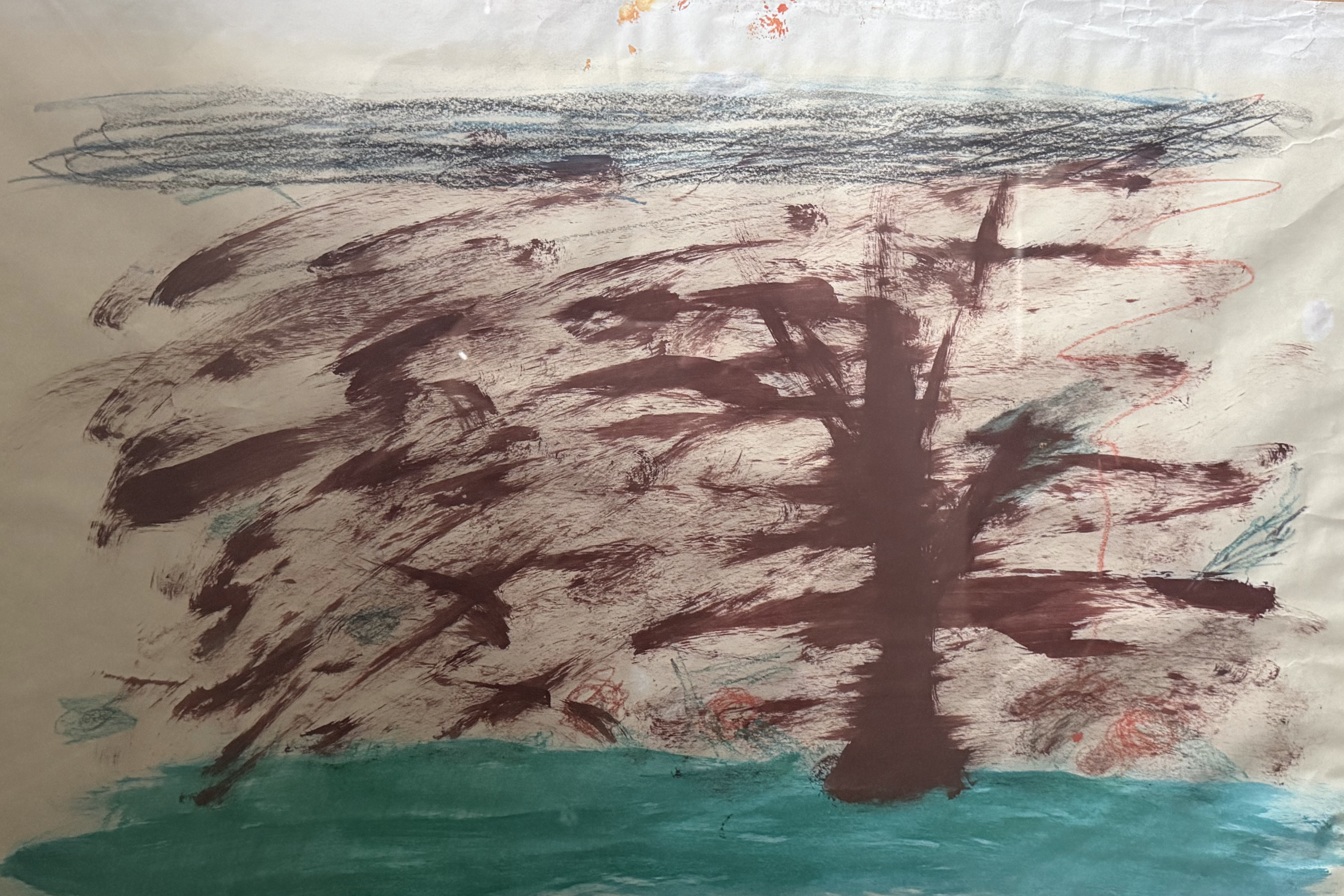
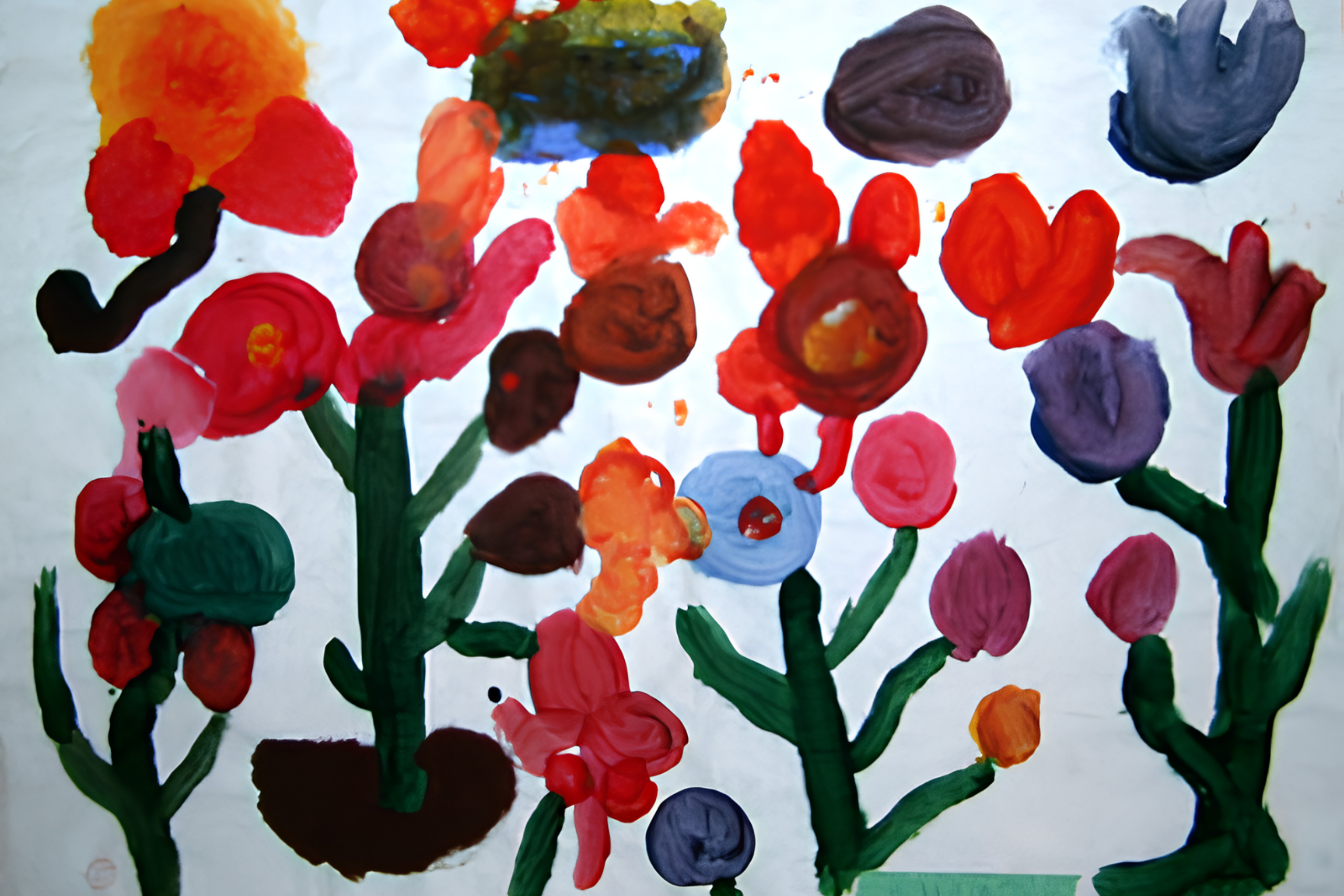
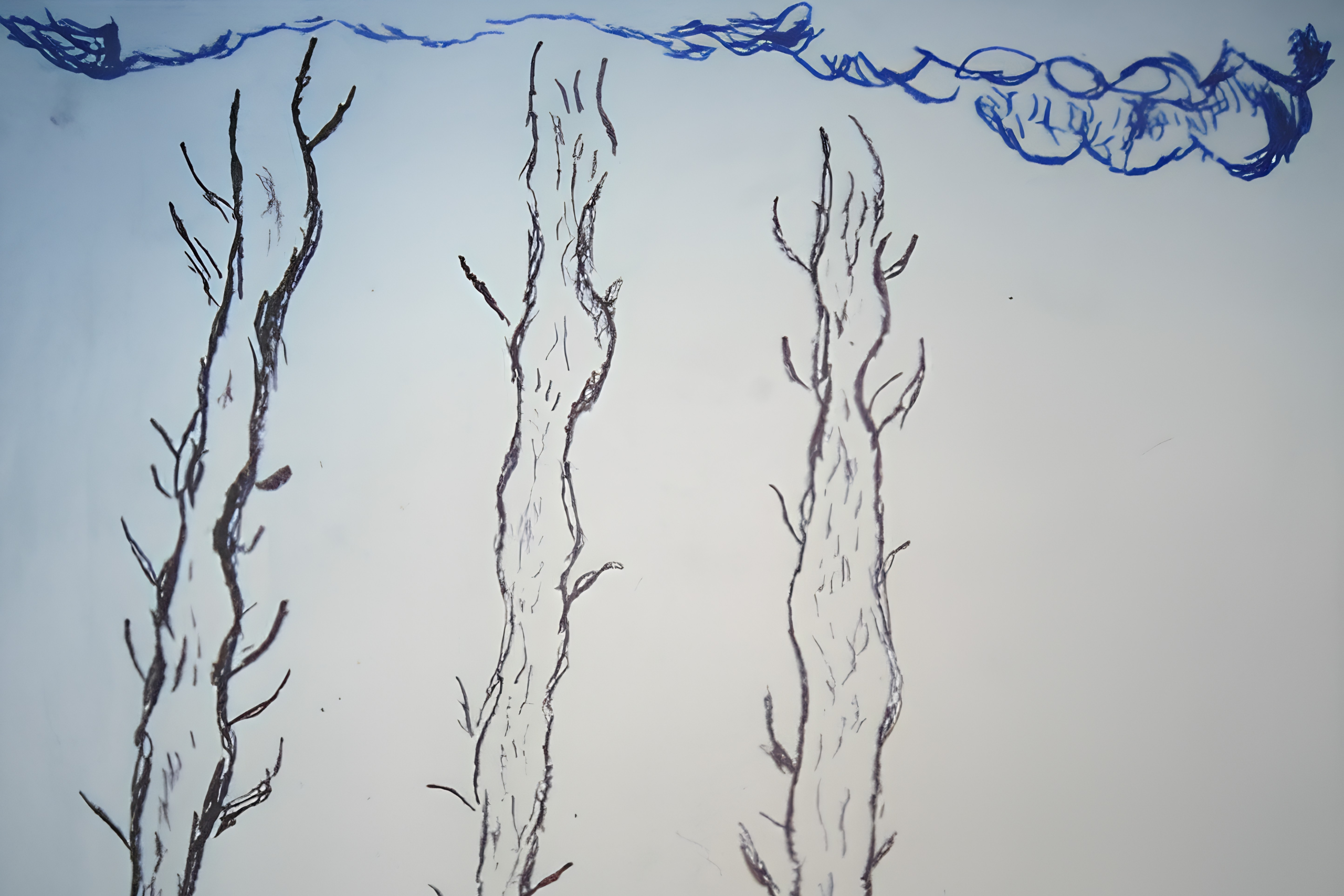
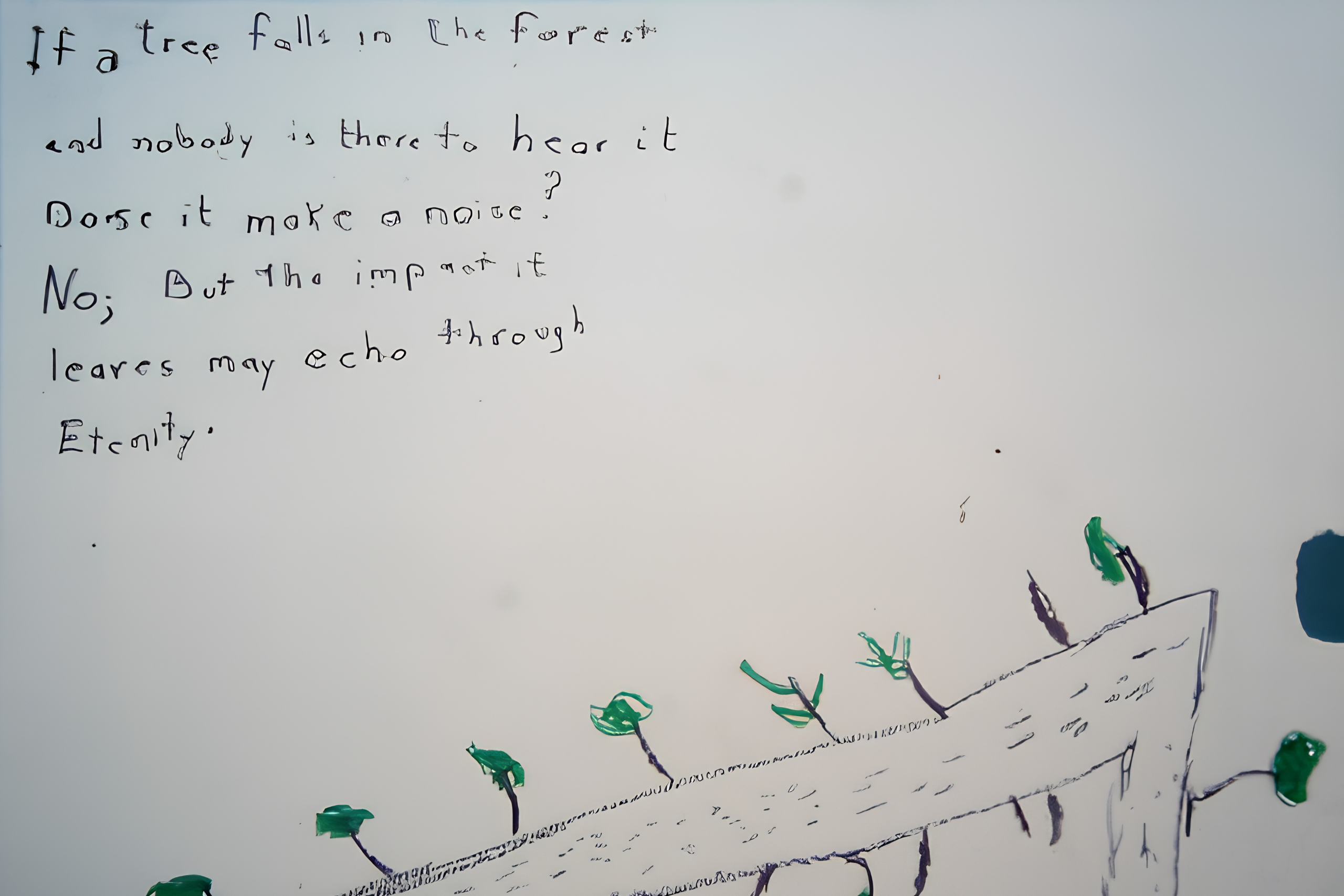
In 2000 we started an art therapy program at Humber River Hospital for home dialysis patients. Gilda Grossman, the art therapist, met weekly with the patients for several years. We enclose several of the art pieces with the current post and will post more in the future. These illustrations have been anonymized so as to protect the confidentiality of the patients.
About the Author
Dr Gavril Hercz

Dr. Gavril Hercz is a nephrologist at Humber River Health and Associate Professor of Medicine, University of Toronto. He completed his psychoanalytic training at the Toronto Psychoanalytic Institute and is a member of the Canadian Psychoanalytic Society. His major area of interest is the impact of physical illness on patients, families, and caregivers.
Art therapy integrates psychological understanding with a creative process, providing a non-verbal avenue for emotional exploration. It does not require artistic skill or prior experience.