Healing Power of Music
Most of us turn to music instinctively such as during stressful moments, long drives, workouts, or quiet evenings when we need to unwind. But beyond being enjoyable, a growing body of research shows that music is a powerful tool for healing. Medical centers, psychologists, neurologists, and therapists are increasingly using music to support mental well-being, reduce physical symptoms, and even help the brain recover from injury. When we take a closer look at the science, it becomes clear: music doesn’t just soothe the soul, it changes the body and brain in measurable ways.
Why the Brain Loves Music
One of the most fascinating findings across modern research is that music activates nearly every area of the brain. When you listen to a song you love, your brain lights up in patterns similar to those triggered by pleasurable activities like eating or exercise. This activation releases dopamine, the neurotransmitter linked to reward, motivation, and mood regulation. It’s one reason why a favourite song can boost your mood almost instantly.
Music also engages the brain’s memory centers, emotional circuits, movement networks, and even regions tied to attention. Because of this wide-reaching effect, music has become an important focus in neuroscience. Therapists and clinicians have observed that even individuals with advanced memory loss, such as those with Alzheimer’s disease, can often recall lyrics or melodies from decades ago. These moments of connection can improve spirits and spark engagement in ways that ordinary conversation sometimes cannot.
Music as a Tool for Mental Well-Being
Across psychology and psychiatry, music is being recognized as a meaningful support for emotional health. Studies show that listening to calming or familiar music can lower levels of cortisol, the body’s primary stress hormone. This natural drop in stress helps regulate mood and makes emotional challenges feel more manageable.
For people experiencing anxiety or depression, music therapy can offer a structured way to process emotions. This may involve playing instruments, writing songs, guided listening, or using rhythm to help regulate internal states. These activities don’t require any musical background; the goal is not performance, but expression. Many people find it easier to articulate emotions through melody or rhythm than through words alone.
Music therapy sessions can also improve social connection. Group playing or singing fosters a sense of belonging and shared experience, which can be especially meaningful for individuals who feel isolated because of mental health struggles. The simple act of creating sound with others often brings a feeling of unity and grounding.
Managing Pain and Supporting Physical Healing
Music’s benefits are not limited to mental health. Hospitals and rehabilitation centers increasingly use music to support patients dealing with physical pain, chronic illness, or recovery from surgery.
Music doesn’t eliminate pain, but it can change how we perceive it. Researchers believe this works because music provides a form of distraction, but also because it activates the brain’s reward pathways and promotes relaxation. When we’re calmer, we experience less tension and discomfort.
In some clinical settings, music therapy has been used to help reduce the amount of medication needed during recovery. Patients who listen to music before or after surgery sometimes report less anxiety and lower pain levels than those who don’t. While music is not a replacement for medical treatment, it is becoming a respected complementary tool that enhances patient comfort and overall healing.
Music and the Neurological Recovery Process
One of the most remarkable areas of study involves using music to help people recover from neurological conditions such as stroke, brain injuries, or movement disorders. Since music engages so many parts of the brain, it can help strengthen neural pathways or create new ones when old pathways are damaged.
For example, rhythmic auditory stimulation uses steady beats to help patients regain walking or coordination abilities after stroke or neurological illness. The brain’s natural tendency to synchronize with rhythm can improve balance and movement patterns. Similarly, speech therapists sometimes use melodic intonation, essentially singing phrases rather than speaking them, to help individuals regain language abilities. The musical elements can bypass damaged language centers and tap into alternative neural networks.
These breakthroughs highlight music’s unique ability to interact with the brain in ways few other therapies can.
In Everyday Life, Music Is Medicine
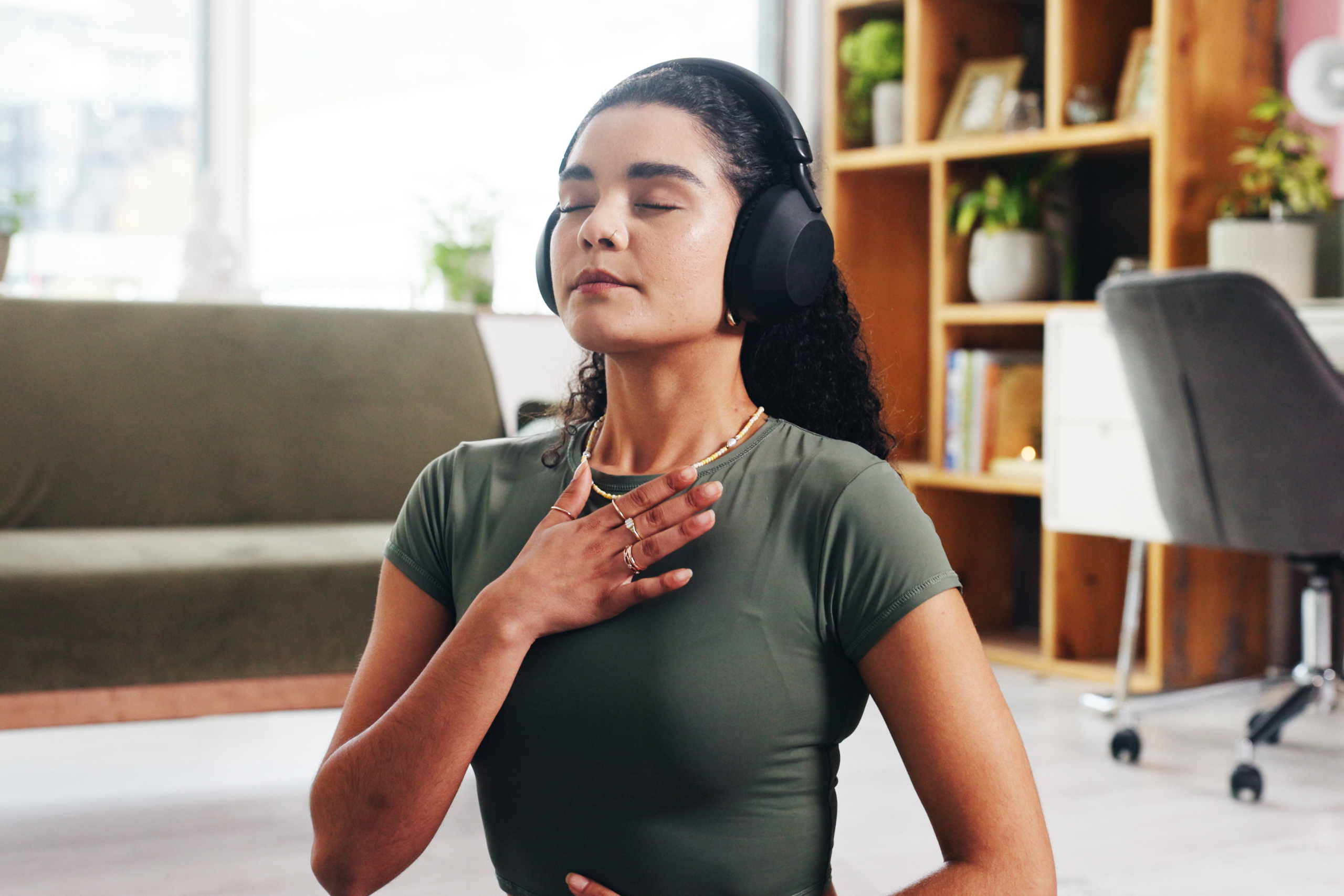
You don’t need a medical diagnosis or therapy sessions to benefit from music. Everyday listening can play a role in stress relief, emotional grounding, focus, and sleep quality. Calming playlists can slow breathing and heart rate, while upbeat music can energize you during exercise or boost your mood on difficult days.
The key is intentionality. Choose music that aligns with your needs: soothing melodies for stress, nostalgic songs for comfort, rhythmic beats for motivation. Even setting aside a few minutes a day to listen deeply without multitasking can create moments of calm and reset your internal state.
A Universal Language of Healing
From the clinic to the concert hall to the privacy of our own headphones, music continues to weave its influence through every corner of life. The evidence is clear: music is far more than entertainment. It is a powerful form of therapy, a bridge for emotional expression, and a tool that can help the brain and body heal.
As research expands, our understanding of music’s therapeutic potential will only deepen. But even now, one thing is certain: when words fall short, music often steps in, offering comfort, connection, and healing in ways nothing else can.
About the Author
Danielle Foster

Danielle Foster is a full-time employee with the Government of Canada, an aspiring health care professional, and an alumna of the University of Ottawa, where she earned a Bachelor of Science in Health Sciences in 2018. She is currently a volunteer with Caribbean African Regenerative Medicine, an organization dedicated to bridging gaps in regenerative medicine for African, Caribbean, and Black communities in Canada. Her interests include—but are not limited to—patient-centered care, preventive health and lifestyle interventions, and addressing health disparities through advocacy for underrepresented populations. Danielle aspires to work in health care by integrating her academic training with community-based experience. Outside of her professional interests, she enjoys fitness, singing, travel, adventure, and discovering new binge-worthy shows and movies.
Medical centers, psychologists, neurologists, and therapists are increasingly using music to support mental well-being, reduce physical symptoms, and even help the brain recover from injury.