Opening the Door: One Mother’s Journey Through Kidney Disease, Family, and Hope
Opening the Door: One Mother’s Journey Through Kidney Disease, Family, and Hope
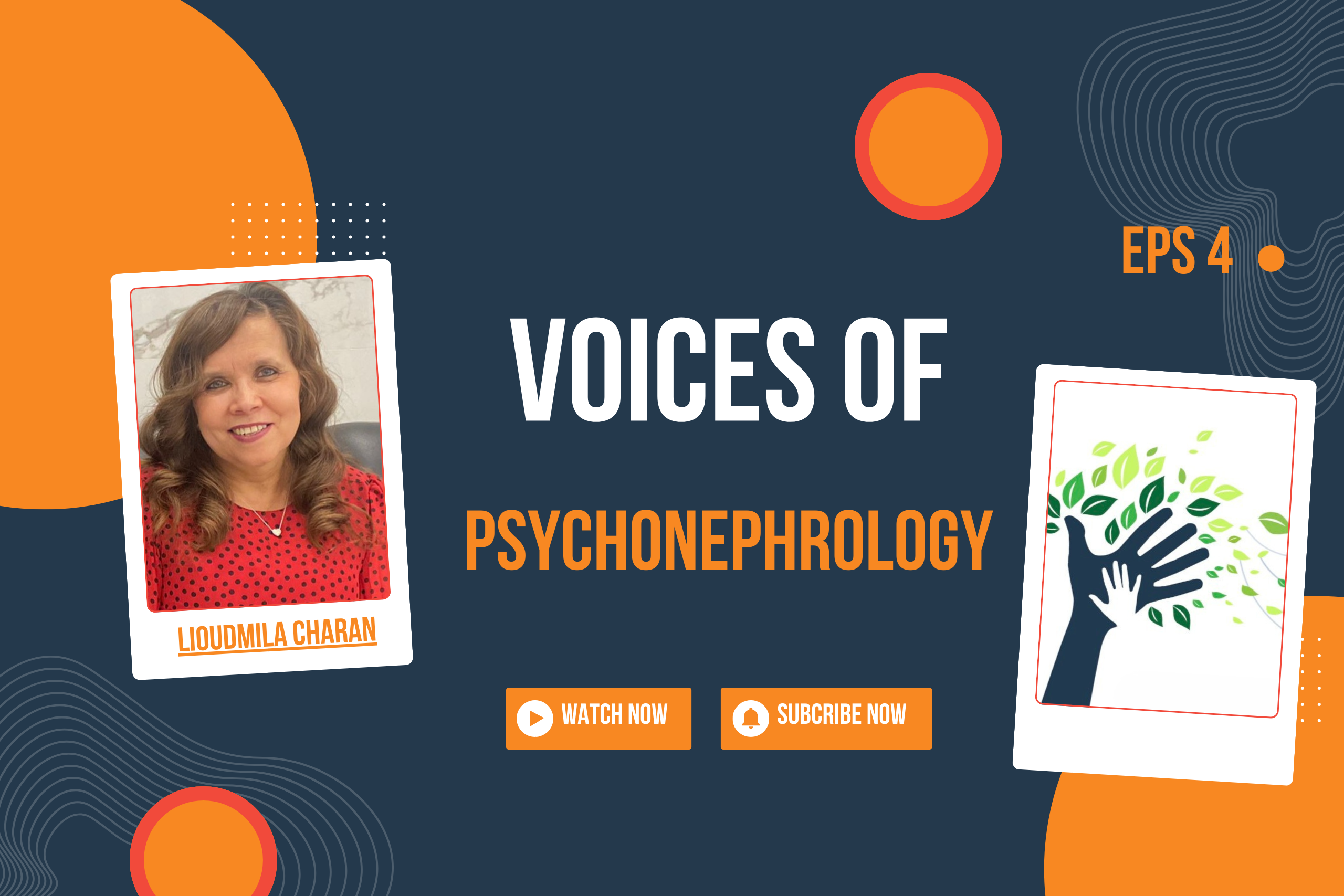
When a routine blood test revealed kidney disease, Lioudmila didn’t just receive a diagnosis — she stepped into a world she could never imagine before. As a single mother, new to Canada, and raising children on her own, the news felt like a heavy burden on her shoulders. She remembers the moment clearly: “I didn’t know what was going to happen to my kids if something happened to me.”
An Unthinkable Reality
Life changed slowly, but dramatically. Two years later, in 2009, Lioudmila began peritoneal dialysis (PD). She was working, raising five children, juggling treatment, and trying to keep the ordinary parts of life intact. But PD took a toll: she felt constantly bloated, lost her appetite, was tired — and emotionally fragile. “I felt full all the time. I didn’t want to eat. I was stressed.”
Over time, the weight of illness — combined with being a mom, alone in a new country — came to feel overwhelming. She describes long periods of isolation and sadness. “I used to come home from work and lock myself in my room. I didn’t want to talk with anyone, not even friends.”
The Turning Point: Someone Who Listened
What changed everything was care grounded in humanity. A friend rushed her to the emergency department of a local hospital — and there she met one of the nephrology team, Dr. Gavril Hercz.
Transferring her care to this hospital team didn’t just mean better medical support — it meant she finally felt seen. For the first time, her fears, her sadness, her questions were met not with medical jargon, but with empathy. She recalls how Dr. Hercz sometimes met her after hours — at 4 or 5 p.m. — simply to listen.
And that changed the tone of her journey.
“I started opening up. I even began telling my friends. And life got a little better.”
It wasn’t magic. It was the healing power of being heard.
When Disease Runs in the Family — and the Pain of Guilt
Years later, Lioudmila discovered that three of her five children — and now a grandchild — had inherited the same disease (Polycystic Kidney Disease, or PKD). The guilt was crushing. She felt like she had passed on a curse. She blamed herself for a long time.
But as her kids grew older, they surprised her. Instead of anger, they offered support. They educated themselves, asked questions, advocated for their health — and quietly told her: “It’s not your fault.”
Through their love, she found a new purpose. Her heartbreak became a bridge.
Rediscovering Life Through Home Hemodialysis
At some point, she switched from peritoneal dialysis to home hemodialysis. The difference was striking: she found her appetite returning, her energy improving — and with that, a sense of normalcy.
“Now I feel like a new person,” she says. “I wake up and can live like everyone else.”
Fourteen years on home dialysis and still awaiting a transplant, she refuses to give up hope. And more than that — she refuses to live silently.
From Patient to Advocate: Giving Voice to Others
Rather than withdrawing, Lioudmila became a presence. She joined the Patient and Family Advisory Council (PFAC) at her dialysis program — stepping up to speak for those newly diagnosed, for those afraid, for those still carrying shame. She helped arrange safer post-dialysis rides home, suggested ways to improve patient support, and contributed ideas for memory and life-celebration projects for patients who passed or received a transplant.
“I went through it,” she says. “So I want to help others.”
Her voice — once shut behind closed doors — now helps open doors for others.
What Her Story Teaches Us
Lioudmila’s journey reminds us — patients, families, caregivers — that kidney disease is not just a medical condition. It’s a life upheaval: emotional, relational, psychological. It disrupts dreams, daily routines, and expectations. It threatens not only the body, but identity and relationships.
Her experience echoes themes recently explored on Psychonephrology: that chronic kidney disease often steals more than kidney function — it can erode self-esteem, social life, and hope.
But Lioudmila also reminds us that recovery is possible — not only in medical terms, but also human terms. Through empathy, connection, and community, illness can become part of a larger story: one of resilience, motherhood, love, and advocacy.
She offers a few messages especially for newly diagnosed patients with PKD or their families:
- Talk — to your doctor, your nurse, your friends, your children. You don’t have to carry the weight alone.
- Share your fears and pain: in speaking you begin to heal.
- Accept that guilt and grief are natural — but don’t let them define you or your children’s future.
- Look for support: join patient groups, councils, or community initiatives — you may find purpose, connection, and unexpected strength.
A Life Transformed, Not Defined
Today, Lioudmila dances while cleaning. She laughs with her children. She shares jokes and stories about everyday life. She lives with dialysis — not just survives.
Her journey is not a tragedy. It’s a testament: that even when illness reshapes life, it doesn’t erase it. With love, connection, hope, and voice — we can open doors we never knew existed.
Because sometimes the hardest doors to open — the ones we think we must keep closed — lead to the most healing.
About the Author
Samaira

Samaira Rana is a social media assistant who creates engaging video content and conducts interviews with community members to share real-life perspectives on the effects of kidney disease. Currently a high school student, she enjoys reading and writing, which inspire her creativity in digital storytelling.
Opening the Door: One Mother’s Journey Through Kidney Disease, Family, and Hope When a routine blood test revealed kidney disease, Lioudmila didn’t just receive a diagnosis — she stepped into [...]